Why Top Recruiters Win Clients Without Selling
Welcome to another episode of The Elite Recruiter Podcast! In this episode, host Benjamin Mena sits down with top recruiter and Pinnacle Society member Katharine Wilcox to reveal the secrets behind why the most successful recruiters win clients—without ever needing to “sell.” From her beginnings in the cutthroat world of Hollywood talent agencies to building a thriving recruiting business in Atlanta, Katharine Wilcox shares her journey, lessons learned, and proven strategies for building lasting business relationships.
You’ll hear how cultivating genuine connections, hustling with relentless focus, and treating everyone as a potential client have powered her two-decade career—along with her advice for recruiters who feel stuck or want to take things to the next level. Learn why authenticity and curiosity trump gimmicks, and how approaching recruiting as a true talent agent transforms your reputation and results.
If you want to master business development, level up your time management, and discover the mindset of a consistent top biller, you won’t want to miss this in-depth, insightful conversation filled with actionable tips and inspiration. Let’s dive in!







Why Top Recruiters Win Clients Without Selling
1. Episode Hook
The best recruiters don’t sell harder.
They win clients by becoming the most trusted person in the market.
2. Why This Episode Matters
Most recruiters struggle with business development because they approach it like sales.
This episode shows how top billers win clients, close more searches, and scale their desk by turning everyday recruiting conversations into long-term revenue—without pitching or sales scripts.
3. What You’ll Learn
- The BD mindset shift that helps recruiters win clients without selling
- Why candidate conversations are the highest-converting BD channel
- The hidden mistake recruiters make separating candidates from clients
- How elite recruiters create repeat searches and full-team builds
- Why thinking like a talent agent instantly increases credibility
- The ethical rule that protects referrals, reputation, and revenue
4. About the Guest
Katharine Wilcox is a Pinnacle Society member, consistent top biller, and owner of Resource Mosaic. With 20+ years in executive search and a background in Hollywood talent agencies, she’s built a career on relationship-driven recruiting that consistently wins clients.
5. Extended Value Tease
Imagine candidates calling you for advice—and later hiring you.
Imagine clients trusting you to build entire leadership teams.
No chasing. No pitching. Just becoming the obvious choice in your niche.
6. Listen Now CTA
If you want more clients without selling harder, press play now.
7. Timestamp Highlights
- 00:03 – Why selling harder backfires in recruiting
- 06:05 – From Hollywood talent agent to executive recruiter
- 15:37 – “You’re buying the business” moment
- 25:24 – Hustle vs. effectiveness for top billers
- 31:29 – Why recruiting is business development
- 37:26 – Flat fees, trust, and predictable revenue
- 43:11 – Why recruiters should think like talent agents
8. Sponsors
🚀 Atlas – AI-first ATS & CRM
Automates admin, syncs resumes/emails, and uses AI to build polished profiles.
👉 https://recruitwithatlas.com
9. Summit + Community
🎯 2026 Sales and BD Recruiter Summit
https://bd-sales-recruiter-2026.heysummit.com/
💼 Elite Recruiter Community (all summits, replays, Billers Club + splits)
https://elite-recruiters.circle.so/checkout/elite-recruiter-community
10. Tools & Links
- PeopleGPT → https://juicebox.ai/?via=b6912d
- Talin AI → https://app.talin.ai/signup?via=recruiter
- Pin → https://www.pin.com/
- Email List → https://eliterecruiterpodcast.beehiiv.com/subscribe
YouTube: https://youtu.be/PruIBKFecGU
Follow Guest on LinkedIn: https://www.linkedin.com/in/katharinewilcox/
Benjamin: http://www.selectsourcesolutions.com/
LinkedIn: https://www.linkedin.com/in/benjaminmena/
Instagram: https://www.instagram.com/benlmena/
Benjamin Mena [00:00:00]:
I'm excited to announce the first elite recruiter awards. These are the people that were voted on by you, by the listeners, the people that have made the most impact by what they do, what they talk about and who they are. So I am so excited to share this lesson. We are going to start with the ultimate award, the elite recruiter of the year. That goes to Mike Williams. With finalists Brent Orsuga and Chris Relth. The most impactful recruiter of the year. And this is awesome.
Benjamin Mena [00:00:31]:
We have a tie. The most impactful recruiter of the year is Chris Relth and Caitlin Burke. With finalists Danny Cahill. The best recruiting leader, the best recruiting founder voted on by you guys is Dante Nino. With finalist Aaron Opelowski. The recruiter that you want the absolute most on your team is Abby Krager. With finalists Danny Cahill. This is an awesome one.
Benjamin Mena [00:01:00]:
The recruiter who has influenced me the most, this was a tie. So the recruiter who influenced me the most. The winners are Brent Orsuga, Matt Walsh and Greg Benediba. With finalist Danny Cahill. The recruiter that I want the most to mentor me. And this is another awesome tie that we have. So the recruiter that I want the most to mentor me. The winners are Julia Arpak, Rich Rosen and Randy Stat.
Benjamin Mena [00:01:34]:
With finalists Courtney Harmon. The best recruiting team. You guys went ham on this one and it was wild that we have a tie here too. But the winner for the best recruiting team firm is a tie with Artemis Carnegie search and TLO with finalists Coastal Recruiting. All four of those companies are companies that you guys need to be keeping an eye out for the coach of the year. The winner is Clark Wilcox. And it's while the finalist ended up being a tie with Donnie Gupton, Keely Flood, Mark Whitby and Mike Anderson. The best recruiting tool of the year, no surprise, especially coming from recruiters, is LinkedIn.
Benjamin Mena [00:02:28]:
And the best recruiting tool of the year, the finalists is pin. The podcast episode that you guys love the most. It was the art of strategic headhunting with Chris Relfe. With the finalists, from athlete to recruiter, Kaitlyn Burke. These are the 2025 Elite Recruiter Awards. Thank you for your votes. Thank you for listening to the elite recruiter podcast. I cannot wait to see you at the next summit and in the community.
Benjamin Mena [00:02:56]:
2026 is the year that you make it yours. This is your year. I believe in you. Let's make it happen. The recruiter sales and business development summit is coming back. It is kicking off January 26, 2026. It is going to be the best, biggest, most focused conference for recruiters to help them grow with business development and sales. Remember, with all the summits, the live sessions are free.
Benjamin Mena [00:03:23]:
If you want to go for the replays, you got two options. You can go VIP on the Summit platform or you can join the community, have access to all the summit. But this is a summit that you do not want to miss. If you want 2026 to be the absolute best year possible, be there, be ready to learn and be ready to crush it. I'll see you there. Coming up on this episode of the Elite Recruiter Podcast.
Katharine Wilcox [00:03:44]:
Look, I want you to like me so much that when it comes to hiring your next team, you think of me when I'm talking to good talent. Whether it's, you know, somebody looking for a job or somebody looking to hire, it's the same conversation. It's getting to know them. What's driving them? What are they looking? Who do they like working with? What made them satisfied and jumped into this role? What are they looking for next? Who are the people they want to be surrounded by? It's exactly the same conversation.
Benjamin Mena [00:04:13]:
Welcome to the Elite Recruiter Podcast with your host Benjamin Mena, where we focus on what it takes to win in the recruiting game. We cover it all from sales, marketing, mindset, money, leadership and placements. Admin is a massive waste of time. That's why there's Atlas. The AI first recruitment platform built for modern agencies. Doesn't only track resumes and calls. It remembers everything. Every email, every interview, every conversation.
Benjamin Mena [00:04:45]:
Instantly searchable, always available. And now it's entering a whole new era. With Atlas 2.0, you can ask anything and it delivers with magic search. You speak and it listens. It finds the right candidates using real conversations, not simply looking for keywords. Atlas 2.0 also makes business development easier than ever. With opportunities you can track, manage and grow client relationships. Powered by generative AI and built right into your workflow need insights.
Benjamin Mena [00:05:09]:
Custom dashboards give you total visibility over your pipeline. And that's not theory. Atlas customers have reported up to 41% EBITDA growth and an 85% increase in monthly billings after adopting the platform. No admin, no silos, no lost info, nothing but faster shortlists, better hires and more time to focus on what actually drives revenue. Atlas is your personal AI partner for Modern recruiting. Don't miss the future of recruitment. Get started with Atlas today and unlock your exclusive listener offer@reruitwithatlas.com I am so excited about this episode because business development is the key that every Recruiter needs to master to be successful. There's no way of getting around it.
Benjamin Mena [00:05:48]:
It sucks, I know. But here's the thing. You can learn to love it. And my guests realized early on that she could never sell a widget. Like if, if she was selling widgets, I think she mentioned offline that she'd be an absolute failure. But here's the thing. Us recruiters, we're not in the widget business. We're in the relationship business.
Benjamin Mena [00:06:08]:
And she has mastered that and has become a year after year, a top biller and a pinnacle member. So, Katherine, I'm so excited to have you on the podcast. Welcome.
Katharine Wilcox [00:06:19]:
Well, thanks for having me.
Benjamin Mena [00:06:20]:
So before we get started, like a little bit of a self introduction, like your space where you focus on the type of recruiting that you do.
Katharine Wilcox [00:06:28]:
Yeah. Katherine Wilcox, that's me. I'm here in Atlanta, so I focus mostly on a local market, kind of 80% Atlanta, but the Southeast in general and all across the accounting and finance space. So if it reports into a CFO or even a CEO, I'm probably working on it. So I do a lot of accounting, finance, and kind of corporate leadership roles as well.
Benjamin Mena [00:06:47]:
Awesome. So we got to ask the age old question. How did you even end up in a recruiting chair?
Katharine Wilcox [00:06:56]:
To be honest, I have no idea. It kind of happened one day. You know, I'm from California, so I grew up in San Diego, went to ucla. I mean, I'm a California girl at heart. And I started my career and actually working for a talent agency called the William Morris Agency, and they're now known as William Morris Endeavor. I won't get too much into kind of the change, but I'd say I had a quarter life crisis, but I was doing what I loved and thought I loved. I don't think I was happy. And I didn't even realize it until my grandfather called me out on it one day at Christmas.
Katharine Wilcox [00:07:24]:
I. On Christmas Day. Yeah. Said Catherine, you don't look happy. And I looked at him and I was like, really? Okay. And then two weeks later, well, he told me at that moment, he's like, hey, if you ever need to come live with your grandmother and I, we're here for you. And they live in Charleston, by the way. Yeah, it's.
Katharine Wilcox [00:07:41]:
Talk about a wake up call. When your grandfather called you out two weeks later, I called him and said, hey, were you, were you serious? I'm going to move in with you. And he's like, just let us know when. So I moved across the country and then found myself in Atlanta and the rest is history.
Benjamin Mena [00:07:56]:
Okay, so we're going to talk about how you got in your first recruiting chair, and then we're going to backtrack to California. Yeah, like SoCal to the south. That's a whole different ball of wax.
Katharine Wilcox [00:08:08]:
It is. It really is. Yeah, it is. I love it here, though. Atlanta is such a phenomenal city. I've lived here about 25 years now. It's funny, I still don't say I'm from Atlanta. I still say I'm from Coronado, which is my hometown.
Katharine Wilcox [00:08:22]:
But I love it here. And it's. Atlanta just has so much going for it. But the transition for me wasn't that difficult. My dad's from Charleston, you know, my other grandparents from Texas and Georgia. So, I mean, I grew up surrounded by, you know, all the Southerness, Right. The accents, the grits, all that good stuff. I mean, so, yeah, it wasn't a huge transition, but I love it.
Benjamin Mena [00:08:46]:
Okay, so you moved cross country. How did you get a job as a recruiter?
Katharine Wilcox [00:08:51]:
Well, you know, when you have your quarter life crises, right. I don't know if everyone has had them out there, but we, you know, there's a few of us, you tend to kind of try what you're wanting to do. And actually my grandfather again, stepped in. Gosh, he was like a. A saint for me during this time and made me take an industrial psychologist kind of assessment thing that was like a multi day thing. Right. A lot of our clients use them, so I have actually a lot of respect for them because of what they did for me. And what was funny was that when the whole suspect came back, it actually told me I should be doing what I was doing before.
Katharine Wilcox [00:09:22]:
Like, it really kind of came back to the talent agency thing, which was funny because obviously I wasn't happy. And so I kind of stumbled around a little bit. And my grandfather and I had a good laugh about it. But, you know, he was always said he's like, catherine, don't worry about it. Our family's a family of late bloomers. So just, just roll with it. You're gonna figure it out. And by the way, I still, I can't.
Katharine Wilcox [00:09:41]:
My grandfather was not a late bloomer. I mean, he fought in World War II right, at a young age. Like, you can't call that a late bloomer, but I was definitely one. Here I am so around. I mean, I've been doing this for 20 years. Around 28 years old, I was actually selling contract staffing. And I was walking every building in Atlanta and I Just. I don't even know why.
Katharine Wilcox [00:09:58]:
I mean, it was a paycheck, right? So I was, like, walking every building, just trying to, like, sell this contract, staffing. And a person on the executive search side said, catherine, what are you doing? You don't belong on this side. You need to be doing executive search. And I was like, sure, why not? I mean, I had nothing to lose right at this stage. So I ended up interviewing at Luke's group, and for some reason, they hired me, and I've never looked back. So.
Benjamin Mena [00:10:23]:
That is. That is awesome.
Katharine Wilcox [00:10:25]:
Sorry. More information than you probably expected to get.
Benjamin Mena [00:10:27]:
No, no, no, that. That's perfect. I mean, it's. One of the cool things about recruiting is, like, there's very few single, straight paths into this chair. And once you're in the chair, there's a thousand different paths on how to do what we do, which makes it cool. Like, it makes it unique. It makes it feel like there's an opportunity for everybody to succeed as long as they're in the right spot.
Katharine Wilcox [00:10:47]:
Absolutely. It's a great job. I love it. So.
Benjamin Mena [00:10:50]:
And, you know, you spent a few years at Lucas Group, and then you decided to leave there.
Katharine Wilcox [00:10:56]:
Yeah, well, you know, Lucas Group was going through a lot of change at that time. I joined when Art Lucas was still running it, and I am so happy I joined when I did because it really instilled a love for the art of Art Lucas, but for the art of what we do. I really got lucky with the people I was working with. The manager that hired me, he gave me great advice, and when I came on board, he said, katherine, you got to give this two years. Like, give it two years. He's like, you can't quit after one. You gotta give it two. I've told every new recruiter that is, don't give up.
Katharine Wilcox [00:11:31]:
This is a tough business. It takes a while to get your bearings. So I got lucky. I built a lot in six months and was one of the top recruiters at Lucas Group, which was great. So I kind of just. But I think a lot of this was coming down from my talent agency days. It was very similar in a lot of ways, just working with different types of talent. And I loved how Art Lucas ran his business.
Katharine Wilcox [00:11:50]:
I loved the heart and soul he put into it. I love the way he cared about us. Right. And then at the peak of the market, he sold to private equity. Right. And private equity made a lot of changes. Right? And I love private equity for a lot of reasons. A lot of my clients are obviously private equity.
Katharine Wilcox [00:12:07]:
Help, and they do some great things. But for me, as a recruiter, it just wasn't going to work. Like, I was suddenly narrowly focused. I had to only work Atlanta accounting and finance, and my clients were pulling me into other things. They'd say, hey, we're looking for a gc. We're looking for a head of hr. And at the end of the day, I wasn't able to service my clients the way I wanted to service them anymore. So it took a while for me to really come around to the fact that I was leaving Lucas Group, because I did love working there.
Katharine Wilcox [00:12:37]:
And I still have great friends from those days and great mentors and people who inspire me on a regular basis still from that time. But I knew I wasn't going to be able to do what I wanted to do in the way that I knew I had to do it. And then I got introduced to Ken Richards, who was the founder of Resource Mosaic, and he was just looking for somebody to help him scale the executive search side. And, I don't know, something just told me he was the right person for me to partner with. So Resource Mosaic was tiny. They were kind of just getting their footing and trying to figure it out, and I just made the jump.
Benjamin Mena [00:13:10]:
Why'd you take the chance there compared to the other places that you spoke to?
Katharine Wilcox [00:13:15]:
I think in this world, when, you know, I tend to have. At least I don't have a small ego. I know I'm good at what I do, right? I know I know how to do it. I know how to execute. So I knew I could do it anywhere. And I've always believed if you surround yourself with the right people, success will follow. I tell that to my candidates. I tell that to clients.
Katharine Wilcox [00:13:35]:
It's something. So there was something about the conversation I had with Ken that made me just. Just kind of was a gut instinct that told me this is the right person for me to partner with. I didn't need the support. I didn't need the big fancy names or the big teams. I just needed the right people around me. And I think it's also important to have somebody that compliments where your weaknesses are. And Ken had been a partner at Deloitte.
Katharine Wilcox [00:14:00]:
He was a business mind, an mba. He knew all this stuff. I'm not good at that stuff. I'm good at what I do. I'm good at working with my clients. I'm good at finding talent. I'm good at building relationships. But I needed somebody that could teach me what it was like to actually work in and For a business.
Benjamin Mena [00:14:17]:
And you worked for him for a while?
Katharine Wilcox [00:14:20]:
Yeah, a good decade.
Benjamin Mena [00:14:21]:
And I'm kind of excited about the next part. But during that time period, I go in Frank Lucas group to working at Resource Mosaic. Did you ever think about starting your own recruiting firm?
Katharine Wilcox [00:14:30]:
Never. I didn't think I would ever own the business. I didn't have any interest in it. I just wanted to stick to what I knew and what I could do well. And I didn't want to be distracted by all the back office. It just seemed like too much trouble, honestly. And I was making really good money, so I just didn't need it. At the end of the day, it was a distraction to me.
Katharine Wilcox [00:14:48]:
It's funny, because here I am today, now owning the business.
Benjamin Mena [00:14:51]:
I was going straight into that.
Katharine Wilcox [00:14:53]:
Yeah. But, you know, it was one of those where. This is where Ken has been such a phenomenal mentor for me. And I really. Whenever I talk about him, I just. I just get so excited to talk about it, because I think when you find a good mentor, a good leader, somebody who really cares about you, they also know when you're ready. Sometimes before, when you're. You're ready yourself or even aware of it.
Katharine Wilcox [00:15:15]:
And one day he called me and said, katherine, it's time, and you're buying the business. January 1st. And I went, wait, what? Man? I think this was like October. I was like, excuse me, what? He's like, this is yours. And I kind of felt like the little bird being pushed out of the nest for the first time. First time, right. And he said he wasn't going to let me fail. I mean, basically, he handed to me over in Silver Platter, you know, all buttoned up, ready to go.
Katharine Wilcox [00:15:37]:
I just had to do it. And he still is very active in the business. He's somebody I call when I need help. I think he enjoys still being involved and being kind of a strategic advisor and support for us. And he knows everybody in town, so I want him talking about us with all his friends. Right. That's always helpful. But I think more importantly, he helps me guide when I have questions, because I'm just not.
Katharine Wilcox [00:15:59]:
The back office piece is not who I am. So you need to have people around you that will support you and help guide you in that way as well.
Benjamin Mena [00:16:06]:
Did he hit a point where he just wanted to be done with the business and he just wanted to retire, or was it a point where he knew that this was probably only going to be the next step for you that you need to take?
Katharine Wilcox [00:16:16]:
I think it was a little Bit of a myth. I think the timing was right for him. He had some other business ventures he wanted to focus on, which, you know, it was the right time for him to do that. I mean, he doesn't really ever tell me his intention. The timing. It was more like, here, done, go. It was so simple. We just kind of ran with it.
Katharine Wilcox [00:16:31]:
I think in the end, I do believe. I think he was looking out for me. We worked so closely together and built such a strong relationship. He told me that I was the right person to own and move Resource Mosaic forward. He wanted Resource Mosaic to exist and to evolve and to, you know, he didn't want it to shudder. And I think he also knew it was the right time for the business. It was the right time for me. So I think it just kind of.
Katharine Wilcox [00:16:55]:
I don't know if he'd been planning this a long time or if we woke up one day and it dawned on him. But, you know, I got the call and I said, okay, I guess we're doing this now.
Benjamin Mena [00:17:05]:
So, you know, anybody else out there that is, like, their heads down, they're a great recruiter. They're happy where they're at. But, you know, we're also looking at a time period where there's a lot of baby boomers that have been in the business that want to find an exit ramp, you know, for the baby that they've created for so many years. What advice would you give to a recruiter out there that's listening, that they're heads down, working, they're so focused on the recruiting chair, but maybe have the back of my inkling, like, I'd love to maybe buy this business or take over a recruiting business one day. What advice would you give to them?
Katharine Wilcox [00:17:38]:
You know, I think similar to kind of what I know we kind of will be talking about, about business development is the relationship. Right. I know for me and Ken, I didn't ever have any intention of buying it. That wasn't my goal here. The authenticity of me just wanting to be part of it and genuinely care about it. Right. It became my baby as much as his. So it really became something that was very organic and natural.
Katharine Wilcox [00:18:01]:
In the end, I just don't think it's something you can force. I think you can show intention and desire. But I think what's most important is I'm a big believer that you lead with action, not with words. And if you build the right relationships with the leadership, whether it's a divisional leader, the role that you want to get into, or an owner of A business depending on the size of the firm you're with, I think something is just showing that capability and natural inclination for it and just authentic kind of leadership skills that really, I don't know, I think actions speak louder than words. So just go out there and do it and do everything you can to be the best at what you do and, you know, try and make their lives easier. And I bet they'll take care of you in the end.
Benjamin Mena [00:18:44]:
And then on that Note, like, after January 1st, this baby's now yours. What was the biggest discovery or biggest realization or did things operate the same?
Katharine Wilcox [00:18:55]:
You know, I think I freaked out a little bit the first week because there was like, zero money in the bank. You know, I have, like. I mean, we're a small team. I have, you know, my salary and my girl Xena's salary to pay. I have bills. I have no money. Right. Like, everything just kind of started from start.
Katharine Wilcox [00:19:14]:
You just kind of get go. So I had this, you know, line of credit to get me through and all this kind of stuff. But you wake up on January 1st, it's New Year's Day, and it's not like I could do any work and get at it. And I just sat there, right? And I was like, oh, okay. Well, this just got real. Like, how am I going to pay my bills? So, you know, I mean, fortunately, a little bit of money saved, but, you know, here I am, you know, I have two young kids. You know, I'm the breadwinner. And all of a sudden it's.
Katharine Wilcox [00:19:45]:
You just gotta run, right? And sprint and take the bull by the horns and do whatever it takes to get it done.
Benjamin Mena [00:19:52]:
Awesome. So we're gonna weave back into business development. I want to go back to before you were a recruiter because it's. I think it's one of the things with you, like, you know, getting a chance to, like, have dinner with you, drinks, meetings. Like, you are damn good with people. And there's a lot of recruiters that are just damn good with people, but they haven't put the. The business development part attached with it. But I think, like, where you started with a talent agency, kind of explain some of the things that you were doing there.
Benjamin Mena [00:20:20]:
Like, I know, like, Hollywood is a excuse. My language is a freaking grind. Everybody is out to get you. Everybody wants your job. Everybody wants to outdo you. Everybody wants to stab you in the back. So I. Why I hated Southern California, but that's just me.
Katharine Wilcox [00:20:33]:
We like San Diego, by the way. We're pretty chill down there. Yeah.
Benjamin Mena [00:20:36]:
San Diego's cool, but, like, talk about, like, what you were doing at the talent agency and like. And we'll talk about how that transferred into what you're doing now as a recruiter.
Katharine Wilcox [00:20:47]:
Absolutely. So obviously I did an internship when I was in college or very talented college, where I worked for a talent manager. So I actually worked with Bert Reynolds and Ann Margaret's talent manager, which was kind of a. A little bit of a taste of what the world was. And prior to that, some of my most, like, memorable moments from college is I worked with a lot of the theater folks, and I had a friend there that we were putting on random theater shows. And I always knew I enjoyed the people part. Like, I didn't need to be on stage. I didn't need to be the one with the name and lights.
Katharine Wilcox [00:21:19]:
I just liked helping people get whatever they were looking to get out into the world out there. And that is something I think that sticks, like, really true to me to this day. I don't need to be the person getting all the glory, but I do, like, from afar, watching people get it, it makes you feel good as a person. So, you know, I kind of came through that. I did this internship. I can't remember who was working with William Morris at the time, but one of the kind of talent agent assistants, trainees, all that kind of stuff said, katherine, you should come over here. So I interviewed and got this job working for the head of the commercial department, which was kind of a unique place to find. But he was a great guy.
Katharine Wilcox [00:21:58]:
Worked at a lot of international commercials, big name stars. I mean, the biggest out there, I mean, Arnold Schwarzenegger was making millions on like, making commercials in Japan or Germany. And I loved all the nuance of it, but my real passion historically had really been more on the music side. So I loved all the television and the film, everything. But I really enjoyed the musicians and shows. It's just something I'd been really been passionate about since high school. So I ended up moving over to what's called music crossover. And I worked with a number where I worked with kind of the head of that department, Julie Colbert, who was putting musicians into film and tv.
Katharine Wilcox [00:22:32]:
And she was another person that I don't even think she knows what an impact she had on me at that time in my life. We worked together for a few years and I learned from one of the best on how to be very authentic and honest and true, true and hardworking and really focus on what you love doing, right? And it was hard for me to quit Because I loved working for her. But the business itself was not going to serve me and give me the life I wanted to lead. So I think it comes down to is like, you get into this world and in Hollywood and it is incredibly cutthroat, incredibly tough. I mean, I had a friend have a chair thrown at her by her boss. Like you have to have thick stuff, skin. But if you can cut through that and build relationships that are honest and true, it will pay dividends for you long term. And that's where I learned it was working at William Morris was like watching Julie, watching Rick just kind of develop these long term relationships and really, truly look out for what their clients needed.
Katharine Wilcox [00:23:32]:
Right? And not even their clients, the people they partnered with at the studios, at the production companies, that the relationships drove things forward and they followed and got introduced to people. And successful success was bred by the true honest authenticity of those relationships.
Benjamin Mena [00:23:49]:
And like, talk about like, what did the hustle look like in those days?
Katharine Wilcox [00:23:53]:
Exhausting. It's probably when my grandfather called me out. I mean really, it's all the time. You're busting your tail, you're getting in there first thing in the morning, you're doing anything and everything that's out there. You're having some really kind of fun moments too, right? Like Little Richard, like wanted to thank me for putting him in this film and I had to go down to his like limo and hang out with him. And it's like all these fun little like stories that I have from this time, right. That I just thoroughly enjoyed and I still can. They're great cocktail like party conversation, right.
Katharine Wilcox [00:24:27]:
But it's exhausting because I was staying up too late. I was probably drinking a little too much. And then when I was going out to a concert and then waking up at 7 in the morning, I mean you're in your early 20s, you can get away with a lot of, right. Like you can just kind of, you're burning the candle at both ends, just kind of running and just trying to do it and go and move. But I think what was really tough for me was the fact that I was doing everything for my clients and for the industry, but I wasn't doing anything for myself. And that was, I think what my grandfather saw as being exhausted was I was fulfilling and doing all the stuff for everybody else, but I wasn't taking care of myself in the the end. Maybe that's where recruiting, I get a better balance, but I still get all the great stuff that I loved being a part of back then.
Benjamin Mena [00:25:10]:
So You've been in the recruiting chair for almost two decades. What are some of the biggest takeaways that you've transferred from this talent agency mindset and talent world over to the recruiting world?
Katharine Wilcox [00:25:24]:
Number one, the hustle. If you're not hustling every single day in this business, somebody's gonna hustle away ahead of you. You're gonna lose clients, you're gonna lose reputation. I mean, it's just you have to constantly be going and moving forward and thinking about how you evolve. Right. Stay true to yourself, but evolve forward. So you need to be on the phone, you need to be knowing what's going on in your niche or market. You need to be constantly on and absorbing everything around you.
Katharine Wilcox [00:25:55]:
It's so important to. I mean, I cannot stress the importance of talking to people, learning from people, surrounding yourself with people that are giving you information that you can use as you're moving through this, because you need to keep your finger on the pulse of whatever your niche or market is. And that hustle is so important. And that's something that was ingrained with me at William Morris because it was so cutthroat every other. Like, if you weren't at something, somebody else was, and they were going to build that relationship. So you had to be going and pushing and moving and making sure that you were standing out, too. Right. Being yourself and, you know, in the talent age, a little bit was being fun, but also being real and knowing what you know and being an advocate and showing that you have knowledge and of what's playing out in the industry, what scripts are going out, what films are under production.
Katharine Wilcox [00:26:49]:
You had to kind of have some sort of, you know, what pilot season was looking like. I kind of had to have a little bit of everything out there, and that's very similar to what we do today. What companies, who's hiring, who's moving in, who's growing, who's failing, what are the companies you don't want to touch or ever work at, what are the ones that are the dream gigs. So you really have to have a lot going on. You're juggling a lot of different things. So that hustle is absolutely. And then obviously, as I touched on relationships, right? The people are everything.
Benjamin Mena [00:27:19]:
So with relationships, there's a lot of recruiters out there that focus national across the whole US Especially, like, in the niche, like, even your niche. Why are you just pretty much Atlanta?
Katharine Wilcox [00:27:32]:
Well, it just happened that way, but sometimes I'd love to say there was, like, a great strategic theme to this. Right. But you Know, it's where I started, honestly. I do think that I like the personal touch of being in a local market. And I do. I do work outside of Atlanta, just like I do work outside of accounting and finance. But it's an 8020 rule. I've always believed in that.
Katharine Wilcox [00:27:54]:
You know, 80% of my business is accounting and finance in the Atlanta market. The other 20 is outside of Atlanta. It's outside of accounting and finance. I think it's the stuff that keeps it interesting for me, keeps my mind kind of sharp. I love to kind of work where I play my kids go to school with clients and prospects and candidates. And, you know, I'm on a board here locally, where I'm working with a lot of the senior leaders around town. I love really being part of the fabric that makes my market what it is. And I'm a huge advocate for Atlanta because Atlanta has so much going for it.
Katharine Wilcox [00:28:27]:
It's changed so much in the 25 years that I've lived here. I believe in it, and I believe it's going to go even further. And I want to be here for part of it or part for all of it. Right. I just truly believe in it. And I love being part of something that's. That's evolving and that's. That's what Atlanta kind of is for me.
Benjamin Mena [00:28:44]:
Awesome. I want to go back to, like, the three things that you've said that you really learned from the talent agency that you took to recruiting, and the first one's hustle.
Katharine Wilcox [00:28:51]:
Yeah.
Benjamin Mena [00:28:51]:
As a recruiter, what does hustle for you actually look like? Like, what does your day look like as you are, quote, unquote, hustling.
Katharine Wilcox [00:28:58]:
Yeah. Well, I have to have a timeline to my hustle. So I am not hustling after hours because I'm in mom mode, right. So I have my. My twins that I'm chasing around, trying to keep track of, trying to keep out of trouble, you know, all that good stuff. You know, just life. Right. But when I come into the office, whether it's 8 or 9 o', clock, I'm on and I'm focused.
Katharine Wilcox [00:29:21]:
I do have an office. I don't need one. Nobody else comes here. I work out of a shared kind of space, but I need it because when I come in, I put my blinders on and I just. I hit the phone. I do whatever I need to do. I don't plan as well as I used to, but some of it's just very organic now. Like, I know what I have to get done.
Katharine Wilcox [00:29:40]:
The urgent things I Have to get done in the beginning, the recruiting calls, the marketing calls. I kind of do it very organically now. But it is a blinders type of mindset where you'd laugh if you could see where I'm sitting right now. But I'm in a fishbowl, I'm surrounded by glass and people walk by me every two minutes and I just put the blinders on and just go right and everyone laughs. They're like, are you ever going to come out of there? I'm like, maybe to get a glass of water and then I go back. But I do this like charging from about eight or nine until five or six every day. And then I turn it off, I turn off my computer and I head home and I do everything else I have to get done.
Benjamin Mena [00:30:16]:
I think that's one of the things that a lot of people like don't master is the being effective when you are sitting down. Because so often, like you can turn a 12 hour day but still get as much done as some people do in eight.
Katharine Wilcox [00:30:31]:
Well, my question is though, hey, you can do this in eight. But some people are like, why don't you just do it in six? Right? Like you just what you're doing. I'm like, you use every minute to support whatever you have to get done. If you're having a great year, you crank it. I'm always about riding the ways when you have those amazing years where everything's just falling your way and nothing can go wrong and we've all had them, right? You ride that wave, eventually the length and it's going to get a little tougher, right? And then you kind of pull yourself, but every day you show up, every day you bring energy and enthusiasm, intellectual curiosity to what you do and results will happen and hopefully consistent results. Hopefully you have less downs and more ups.
Benjamin Mena [00:31:14]:
So during that hustle, during the focus, during the grind that you blinders on, I know you're making recruiting calls, but I know you're doing business development too. What does business development look like for you? That's actually working well.
Katharine Wilcox [00:31:29]:
I think what's really important to keep in mind for people who are hesitant on the BD side is recruiting is bd. Every single conversation you have with anybody is a business development call because your clients become candidates, your candidates become clients and flip flop all over the place. If you're doing this right. Why? Because they respect you. They know if they're looking for a job, they want to come to you and get your insights on a job. They're maybe interviewing with it could even be through another firm. But they want your insights, you want to support and, you know, provide guidance for everybody out there. And if you are a source of that guidance, they're going to turn to you when they're hiring.
Katharine Wilcox [00:32:09]:
So I don't think it's about, oh, you are only a client, you're only somebody I'm recruiting. It's all of the above. And when I'm talking to good talent, whether it's, you know, somebody looking for a job or somebody looking to hire, it's the same conversation. It's getting to know them, what's driving them? What are they looking for? Who do they like working with? What made them satisfied and jumped into this role? What are they looking for next? Who are the people they want to be surrounded by? It's exactly the same conversation. Might have a couple little different tilts to it. Obviously, if you're getting a job order versus, you know, going over a resume. But it's really the same conversation. And I tell people that very, very blatantly when I'm talking, especially kids, I'm like, look, I want you to like me so much that when it comes to hiring your next team, you think of me, right? And they go, of course.
Katharine Wilcox [00:32:59]:
I'm like, this is a relationship business. These conversations that you have, you may not be able to place the person that you're talking to that day, but if they're going to have good talent, they're going to find a job, and if you support them and provide them value, they're going to think of you.
Benjamin Mena [00:33:12]:
When they're hiring, we'll say looking at like, and I'm sure it might be hard to run the numbers, but what percentage of business has come from these just candidate calls or your recruiting calls versus, like, NPCs and all of those other ones?
Katharine Wilcox [00:33:26]:
It's probably the vast majority. Honestly, to me, NPC opens the door. Okay, Right. It's marketing. Sometimes it immediately turns into something, but oftentimes it doesn't, frankly. So a lot of times the NPC calls that I'm making are just kind of. They're just, they're. I'm dropping seeds, right? I'm planting little seeds out there, and then you follow up and then they kind of get to know you, and then they kind of want to know who you are on a little deeper level and if you can provide value to them in some angle.
Katharine Wilcox [00:33:55]:
Right. Or all the angles. Right. So really, the vast majority, I'd say about 75% of my business is coming from these kind of open ended conversations with people that ultimately turn into business. Most people that I work with, it started off really casual and they go, huh, Kind of like her. Maybe she knows what she's doing. I'll give her a shot. And they kind of give me a shot.
Katharine Wilcox [00:34:15]:
And then I always say, once you work with me, I'm not going to let you go. Kind of stuck with me.
Benjamin Mena [00:34:21]:
So all these calls and all these relationships like over the years, how are you even keeping track of these people? Like these little magical dots?
Katharine Wilcox [00:34:32]:
I'm be honest, I do not know. I have no idea. It's in my brain, right? It really is. You know, we use loxa for our tracking system, but I'm horrible at it. There is no applicant tracking system or client like tool out there that I will like. I've learned that over the past 20 years. My girl Xena lives and dies on the platform. She keeps me in the loop.
Katharine Wilcox [00:34:52]:
She reminds me of what I'm forgetting. She's great at all that. You really have to have people that compliment you where you're weak. And that is one of my weaknesses. But I think because I truly enjoy the conversations I'm having and I enjoy kind of getting out there and talking with people, I'm making a little bit of a deeper connection whether it turns into a deal or not. And I tend to kind of just come back to people like, hey, what's going on? How's it going? And just it's. I'm lucky enough that a lot of it sits in my brain and I remember these conversations. I'm not gonna remember everything, right? That's impossible.
Katharine Wilcox [00:35:24]:
But I truly like hearing what's going on. I am very, very nosy. Incredibly nosy. I wanna know what's happening. I wanna know what people are doing. I wanna be a fly on the wall. I wanna know. And that I guess kind of locks certain things into my brain a little bit tighter because I'm like, huh, I'm gonna follow up on that.
Katharine Wilcox [00:35:44]:
That's such really interesting. So yeah, I wish I had a magic kind of bullet that made it all make sense. But some of it's just true. Genuine curiosity about what's going on and what's playing out with people.
Benjamin Mena [00:35:56]:
So in all this curiosity and digging deeper and stuff, one of the things like you've done over your career is you don't have a lot of one and done jobs. You've been finding ways to build out entire teams. How have you been able to leverage that?
Katharine Wilcox [00:36:15]:
You know, that's a good question. I don't know in certain ways, I think when you. Whenever I get a new client, my goal always, and I sometimes tell them this, sometimes I don't, is I want them to not work with any other recruiters ever again. And if they have to, they're going to just reluctantly do it because it's an area that I can't support them in. I want them to want to work with me to do what we're doing well. There's a lot of people who can do what we do well. Recruiting, there's a lot of good recruiters. A lot of my competition is fantastic.
Katharine Wilcox [00:36:44]:
We all know a lot of the same people. But I want people to call me because they like working with me. They like the honesty that I bring, the conversation, the insights or the fact that they're just enjoying the discussion with me a little bit more than maybe the person who's just out for the deal. Like they can close, they can find the person probably as fast as I can in certain instances, but they're not going to be nearly as enjoyable to work with. Because I'm a small shop, I can work with my clients in a variety of different ways. I have a lot of flexibility. So something that we have done a lot of that my clients really enjoy is that when we do engage to retain work, we do flat fees. We don't base it on the percentage of salary I do a fair fee.
Katharine Wilcox [00:37:26]:
I listen, I learn about what a search is going to be and I price it to what I think the difficulty of the search is. My clients love that. They love that so much because it gives them predictability. There's no balloon payment at the end. They know what they're going to pay and they know that I'm going to see it through. Through. So there's certain things that when you really, truly partner with your clients, both from a personality perspective, right. And kind of make it make the process fun even when there's a giant pain.
Katharine Wilcox [00:37:53]:
Right. But also truly look out for them and work your business to be productive and profitable. But also take care of their, you know, goals as well. To have some predictability and partnership. It becomes a two way street. And they call you when it's, you know, I get a call, hey, can you help us with this head of real estate? Can you help us with this assistant general counsel? Can you do all this stuff? Because I know my clients, I love my clients and I know the type of talent they're looking for. So I get pulled in and the next thing I know, I've built the Entire organization. So it's a lot of fun.
Benjamin Mena [00:38:28]:
So you mentioned, like you're doing executive searches, but you're talking about flat fees. Like, is there anything else that like, is a little different than the industry standards that you're doing that really stands out?
Katharine Wilcox [00:38:39]:
You know, I'd like to say there was, I wish there was. Right. I'm pretty humble in this sense that, you know, what we do, it's not rocket science, right. This is a people business. And I think what I've always truly believed. To separate yourself from all the muck out there, right? The recruiters that give recruiting a bad name. If you have good ethics, you're looking out for your clients. I guess one thing I do do a lot of is marketing.
Katharine Wilcox [00:39:03]:
I tell them, my clients that I'm truly a marketing arm for them. That by investing in how I communicate their company and put it out there into the market is going to pay dividends for them long term. Because I'm telling the story, right. I'm maybe counteracting like what their perception is. Right. In some instances, if they're changing culture, changing leaders, turnarounds, growth stories, whatever it is, there are stories that sometimes need to be shifted and changed. So I really sell myself as not just a recruiter, but as a marketer. And if I'm marketing the story that they want marketed and I make sure all this stuff is put together in the way they want it to be done, guess what? That is going to spread and it's going to spread like wildfire through the market.
Katharine Wilcox [00:39:46]:
People are like companies that nobody ever wanted to work at all of a sudden become these really sought after places because of the stories that are happening. The new leadership, the transformation, the systems, the processes, the people, whatever it is, that marketing effort will. Yeah, it makes a difference.
Benjamin Mena [00:40:02]:
Now when you say marketing, is this like, you know, are you marketing through the phone? Are you putting together like these big packages to put out on social media and like LinkedIn?
Katharine Wilcox [00:40:12]:
It's nothing that fancy. Most of it's coming through conversations. You know, people talk, right? Yes. I put together like pretty job presentations that we can send to candidates. Right. And do all that. So that's in sync. But truly, I think the real marketing happens in the conversations.
Katharine Wilcox [00:40:29]:
And when a lot of, I think my candidates that have ultimately become clients, what they see is that I truly believe in what my clients are trying to do. Right. I believe in what they're selling. I can't work for somebody that I don't believe in the story. Right. I need to truly believe it. In my bones that they're going to get this done, and I get really excited about it.
Benjamin Mena [00:40:49]:
One more question on the deepness of the relationships, and then we'll jump over to, like, the quick fire pinnacle. Take questions. But with being deep in relationships, is there a candidate that you've placed multiple times, and what's the most amount of times you've placed somebody?
Katharine Wilcox [00:41:05]:
It's tough in a local market. So it is. It's not. I've had maybe people I've moved two or three times and helped them find jobs. I mean, this is where ethics comes into play. If I place somebody, I can't recruit them, right? I hold strong. I hold, like, hard and fast to that rule. I can't.
Katharine Wilcox [00:41:23]:
I cannot recruit. Recruit them now. If something plays out at their company and they get, like, you know, reorged out in the future, I mean, that's a different story. But at the end of the day, I really try to hold myself to a different bar from an ethics perspective. I work a local market and people talk. Right. Just like in the market. I mean.
Katharine Wilcox [00:41:42]:
And if you're known as that recruiter that goes out and tries to poach the. And, you know, recruit from the. Your clients, you're not going to last very long.
Benjamin Mena [00:41:52]:
True that. Well, we've covered a lot. And before we jump over to the quick fire questions, is there anything else that you want to share or go deeper on that we already covered?
Katharine Wilcox [00:42:03]:
I do think that more people should really embrace our role as talent agents. Right? I really do think that's something that we really need. We need to refine how the market or how business looks at the recruiting profession. Because if more of us really, truly embrace us as talent agents, and talent, to me, is your clients and your candidates. It's all of the above. We are here. We are really integral to the connection for a lot of these companies to pull in good talent for careers to take off. We know a lot about our space, and because of that, we are talent agents, and we need to look at ourselves as that.
Katharine Wilcox [00:42:41]:
And these are people we're working with. These are their careers. So it's not about the deal, right? This is about where they're headed or the teams they're building or the growth they're looking to go or the companies they're looking to scale and sell and, like, you know, get rich off of whatever it is. What we play a really, really crucial role in the middle of that. And we're not just recruiting and headhunting and all that. I kind of like the Term head hunting. To be honest, I think it's kind of a fun term, kind of weird, but I love it. But I.
Katharine Wilcox [00:43:11]:
Yes, exactly. But I absolutely am a talent agent and I will hold on to that title for as long as I'm in this business because I think it's something that we all should be proud of and we should hold ourselves to that standard.
Benjamin Mena [00:43:27]:
So as a talent agent and I think, you know, people listening to this are going to get this idea, which I think is a great idea. I've had a few podcasts of people that focus on this. But how? And I think niching is probably going to be the answer that you're going to tell me. But like, you can't be a talent agent to everybody. How do you pick and choose who you become the agent to?
Katharine Wilcox [00:43:49]:
You know, I don't think it has to be so exclusive, honestly. Right? Yeah. Maybe the clients you're working with and the cans you're going to place are going to meet a certain threshold. But I talk to everybody. Okay. You're somebody who is not going to. You're not going to place. Today could be a client, tomorrow could be a candidate you can place in five years.
Katharine Wilcox [00:44:11]:
You never know. We don't have a crystal ball. So treat people the way that you would want to be treated. Right. Have those conversations. And it's hard, I know, in a busy day to carve out enough time to talk to everybody. I mean, you got to be realistic to a certain extent. Right.
Katharine Wilcox [00:44:25]:
But you can provide value to the people that you interact with, whether it be online, through social media, on the phone, at my kids, pickup at like, I mean, all these kind of things. These are where I have a lot of these discussions sometimes. And I don't think we need to be so exclusive. We just need to lead with our heart but also be smart. Right. You gotta think about time management. Cause you could be turning your wheels just having conversations that are not gonna do anything. Right.
Katharine Wilcox [00:44:50]:
All day long. But if you're honest, people understand. We deal with adults and we deal with really smart people. All you have to do is be honest and be helpful, be kind and, you know, help in any way that you can or be honest when you can't. Right. But provide them maybe with a kernel of like knowledge that'll help them move forward.
Benjamin Mena [00:45:10]:
Awesome. So Pinnacle take questions, Quick fire questions. They don't need to be quick answers. So it doesn't need to be like a quick 5 second answer.
Katharine Wilcox [00:45:18]:
I don't think I can do a short or a quick answer.
Benjamin Mena [00:45:20]:
So Somebody, somebody actually did it one time and I just always have to like say it. And I forgot to tell you before we started. So you've been a consistent top biller year after year after year after year. You have a recruiter that hits you up, asks you a question. It's just like been in the business for a little bit newer, maybe like three, five years. What advice would you give to me to start hitting the consistent top billing numbers that you have?
Katharine Wilcox [00:45:48]:
Be honest with yourself, diagnose what's going on. Where are you losing time? Because consistency is key. I think that's really important. So say you're stuck at. And by the way, we get stuck at different thresholds throughout our career, right? Like I remember when I was around kind of consistently at 3 to 3, 50 and then 5 to 6 and now I'm like, million, right? Like wherever you're at and you want, we all are looking to level up and wherever we're at in our career. So I think anybody that is kind of looking at how, hey, how do I get to a half a million? How do I get to be a million dollar biller? You really have to be truly honest with yourself. Where are you losing time? Where are you not as effective? Do you need to work with different people? Do you need to work, you know, you need to really have a good diagnose right where you're at and be honest with yourself about where you are not hitting the mark. Because if you're hustling and working and doing all the things that you need to do, there is no reason that anybody out there can't be a million dollar biller, right? Like that anybody can do it.
Katharine Wilcox [00:46:50]:
You just have to, to commit to the craft. Another note I will also say that I think is really, really important is especially earlier on in those first two years, right? Is be present and surround yourself with people who are good in this business. This is not a role that you can call in from your like home office early in your career because you don't know what you're doing. I don't care how much you know about your niche, you have no idea what you're doing. I had no idea what I was doing most days. Today, even after 20 years, I'm learning something new, right? But I think it's really important in your first few years, and I would even say up to about five, six years in this business that you show up four or five days a week, you sit and you listen to other people doing what they're doing. You surround yourself because you Absorb through Osmosis those conversations. So learn from the people around you and then diagnose what you're doing and figure out a way to fix it.
Benjamin Mena [00:47:48]:
You want a good laugh real quick before we go to the next question? 2005, I got two offers for recruiting jobs. One was a big firm that everybody knows with a crappy salary and a crappy commission structure. And the other offer was a higher base salary, higher commission job, and I could work from home. My mentor sat me down and told me if I took that job that I would make more money. Theoretically, on paper, I would be an absolute failure at it.
Katharine Wilcox [00:48:21]:
Yeah, it's true.
Benjamin Mena [00:48:23]:
Like, I'm upset. I'm like, it's more money. I'm broke. I have.
Katharine Wilcox [00:48:27]:
I have nothing money. I want the money. This is not a short term kind of win type of business. You have to put in the time and, you know, what you do this year is going to pay dividends the next two years. Right. Like, you have to just commit to the craft. And I even have to do that today when I'm having kind of a. We all have our down moments, or we're just kind of struggling to kind of find our way through a tough market.
Katharine Wilcox [00:48:55]:
Or maybe it's just you're in a weird point in life and distracted. Right. And I do believe that if you just come in, you lock in, you do what you need to do, you show up every day. I did this during COVID where Ken and I were showing up at our office, just the two of us, like five days a week, pretty much throughout Covid. And a lot of that stuff that I didn't know what to do, the business stuff, the conversation I learned during that time. Right. I was just out there just hustling because our business died in 2020, people just stopped hiring. I mean, accountants aren't going to move in the middle of a pandemic.
Katharine Wilcox [00:49:29]:
Finance people, I guess, were needed but being held on to, but there was just not a whole lot going on. But I showed up. I kept doing what I knew I needed to do. But then I, through osmosis, learned a lot of the stuff I would need to learn. When Ken would come up to me one day and be like, it's yours, Katherine. It's time. So just continue to show up.
Benjamin Mena [00:49:46]:
You're part of the Pinnacle society. What does the Pinnacle Society mean to you?
Katharine Wilcox [00:49:53]:
It's everything for me right now. In a lot of ways, it is. So I've only been part of Pinnacle for a few years. I'm a relatively new Member. I don't know why I didn't do it sooner. I'm shocked by that. But I think timing is everything, and it was time to. When it was time.
Katharine Wilcox [00:50:06]:
It all kind of played out for me when I actually had the bandwidth to commit to it. The people that I'm surrounded by and I learned from at Pinnacle, and it's become personal and professional in a lot of ways. Where these are people I am texting with Daily Weekly. There's a group of us that shoot videos and send them to ourselves every Wednesday, talking about our lives and work and business. And we're doing all this kind of fun little stuff, and they're inspiring me. They're teaching me ways of doing this business that I thought I kind of was beginning to know everything about, but there's so much I don't know. My dad always told me, no matter what you do, surround yourself with the best people in the business. Learn from the people around you, no matter where you're at.
Katharine Wilcox [00:50:50]:
I don't care if you're at the top of the game midway through or just getting started. You want to be surrounded by the best people and continue to learn and to push yourself forward. Because we don't know everything, right? We only know what we know, and if you're not being exposed to it. And that's what Pinnacle does for me, is it teaches me all these things that I just really didn't think about, and it's. It's really helped me elevate my game in a number of ways.
Benjamin Mena [00:51:15]:
Awesome. Favorite book that's had an impact on your career.
Katharine Wilcox [00:51:19]:
Okay, well, I know we were in Vegas. I told you. I'm like, I don't read books. I mean, I don't have time for it. So. So basically I laugh. I mean, this is going to be. I can guarantee nobody's ever said this book, but there's a book that I absolutely love reading to my children, and even to this day, I still read it.
Katharine Wilcox [00:51:37]:
It's my kind of. My secret one. I kind of geek out and kind of grab and read for them, and it's called the Lion Inside. Have you ever heard of this book?
Benjamin Mena [00:51:44]:
No.
Katharine Wilcox [00:51:45]:
It is an absolutely amazing book. So I have imposter syndrome all the time. I think all of us do, right? Like, it's constant, but it's this great story, and it's just. I mean, just a kid's book, but it's such a great reminder to us all about. And so basically the story of this mouse. This mouse is so insecure, and it looks at the lion. The lion's, like, roaring and dominating. It's the, you know, king of the jungle type of thing.
Katharine Wilcox [00:52:10]:
And this mouse is like, you know what? I'm gonna go up to the lion, and I'm going to ask that lion to teach me how to roar, okay? So the. This little tiny mouse climbs up the top of this rock where this lion is lounging and roaring or whatever he's doing. And then it kind of gets up the guts to say, like, Excuse me, Mr. Lion. And the lion looks at him and just freaks out, like, screams, eek. And apparently this lion is petrified of mice. Like, absolutely petrified. Couldn't be more scared of this tiny little mouse, right? They end up being good friends and learning for each other.
Katharine Wilcox [00:52:45]:
And the line is, hey, you know, basically, we all have a lion and a mouse inside of us, right? We all have our thing, right? And I think it's such a great story, and I do love reading it to my kids. A, they think it's hilarious because you can do some sound effects and do all this kind of fun stuff. And it's a lion and mouse, right? All this fun. But I think it's a good reminder to us all that, you know, when we're calling and doing business development, calling a CEO or CFO of these big companies, guess what? They put their pants on the same way as the rest of us. They have their fears. They have their, you know, imposter syndrome. They have all of that out there. And I think, you know, I love the mouse because it has that confidence to go, you know what? I'm going to fix this.
Katharine Wilcox [00:53:26]:
I'm going to go learn that. And I think that's something that we all can do and kind of think.
Benjamin Mena [00:53:29]:
About, ooh, that's good. I'm going to go buy. Buy it so I can read it to Gabe.
Katharine Wilcox [00:53:35]:
You're going to love it. There's also a really good one called the Koala. Who could buy them both? They're fantastic.
Benjamin Mena [00:53:41]:
All right, as soon as we're done, I'm on Amazon. What's one of the biggest failures that you had to walk through and work through as a recruiter, Actually?
Katharine Wilcox [00:53:50]:
Well, I'm going to preface this by saying it really wasn't my recruiter's world that I think I had a failure in. For me, it had to do with my quarter life crisis. It had to do with me shifting my. Basically shifting what I was doing. I had committed to my craft in the talent agency world and to be called out and suddenly realized that it wasn't going to be what I was going to do, that I had to find my bearings and I'm. Next thing I know, I'm moved across the country and I'm in a new city and I'm trying to figure myself out. You know, sometimes we have to learn how to reinvent ourselves, right? You got to get uncomfortable. You know, Gail's mantra of like, I guess last year of, you know, being comfortable, being uncomfortable.
Katharine Wilcox [00:54:30]:
Right. Learning all of that kind of stuff. And I think that although it was one of those kind of mental, like, I mean, I make a bigger deal out of it than I needed to back then. I mean, that's what we do in our 20s, right? But I do think that we need to take that to our world today. And we have bad years, we have tough go arounds. But you know what? It's going to be okay. Sometimes you got to reinvent. Sometimes you got to think outside the box.
Katharine Wilcox [00:54:54]:
Sometimes you just got to stay true to yourself or combo, all about that. And I think that's what I learned during that phase that really has kept, you know, kept me going in the world that I'm in today.
Benjamin Mena [00:55:05]:
So almost two decades or two decades in the recruiting chair, if you got the chance to like, go back in time, have a cup of coffee with yourself and give yourself advice, what advice would you give yourself?
Katharine Wilcox [00:55:16]:
I'd probably just say, you're going to love it. Just stick to it. Trust your instincts, right? You're going to love it. This is an amazing, amazing business. Because I had my doubts. I didn't know what I was doing when I first started. I mean, everybody was like, you're going to do what? You're going to be a recruiter? What is that? I mean, nobody, nobody I knew was in this space. Like, I was really the only person I knew that was randomly following this path.
Katharine Wilcox [00:55:40]:
I think I would have just looked at myself and say, keep at it. You're doing great. Trust your instincts and you're going to kill it.
Benjamin Mena [00:55:46]:
So you're part of the pinnacle society. I've seen you speak on stage at recruiting events. You're out there trying to uplevel the entire community while running a desk and running a business and all that stuff. So I know that you get hit up by recruiters and I'm sure many times they're like, ask. Probably asking questions like, hey, how do I be a million dollar biller like you? Or how do I like do xyz? Or how do I do business development? What's the secret to relationships out of all those questions that you get, is there a question that you wish they would actually ask you? And what's the answer to that?
Katharine Wilcox [00:56:16]:
You know, I'm trying to think about how to word it. I think the secret to success in this business is being yourself. What I do is not going to always translate to somebody else, Right. How I communicate, how I talk is not going to be what's going to work for everybody. Right. Some people need more structure. Some people, you just really know their niche, right? I know my niche, but I'm not an accountant. I'm only going to know so much.
Katharine Wilcox [00:56:42]:
I'm a people person. I'm a connector. I know enough. Right. To find the people. But some people need to do it. So you really have to sometimes really look at yourself and realize what value do you bring? What makes you different? Something I tell a lot of the people I work with is that I often think that the thing that makes you different is what is going to separate you in your job search. So you're looking for the company that's looking for that differential, because there's a lot of stuff that we're all the same.
Katharine Wilcox [00:57:10]:
There's certain things that we all do, but there is a differentiator in every single one of us, and you need to find that match in your job search or when you're looking to build for your team, you're looking for that differentiator. What makes that person different is what is the puzzle piece you're missing or what works on your team. So I don't know what the question would be, but I do think that people need to think not about being like me or any of the other Pinnacle members or any of the other top billers that are out there, because there are a lot of us, and we all do things very differently. But to think about what do they do differently that separates them from the pack and really make them shine when they get out there talking with their clients and candidates.
Benjamin Mena [00:57:51]:
Ooh, that's good. Well, we've covered a lot. You know, your origin story, how you decided that Hollywood just sucks and you wanted to head over to the other coast and, you know, become a. A Southerner. But we also talked about, like, how you've really just built out your career and put yourself in a place and opportunity where you were able to buy the business that you were spent your blood, sweat, and tears helping build. We talked about, like, how you love bd even though, like, you told me, like, you could never sell a widget because we're such a relationship business.
Katharine Wilcox [00:58:23]:
I suck at it.
Benjamin Mena [00:58:25]:
But before I let you go, is there anything else that you want to share with the recruiters out there?
Katharine Wilcox [00:58:31]:
You know, this is a tough business. We all know it. There's a lot easier ways to make money. But if you have fun and you provide value, you stay true to your personality and be authentic. I'm a glass half full type person. That's just the way I'm going to live. I refuse to live in any other way. Right.
Katharine Wilcox [00:58:51]:
There's always a way out. No matter how bad things are, if there's a way out, there's another side. We'll get through it. Right? So just continue to have fun. I think we need to be playful in what we do. We need to laugh, we need to joke, we need to make fun of ourselves. Self deprecation is a secret power of mine because I have a lot of stuff I can make fun of myself about. Right.
Katharine Wilcox [00:59:12]:
And I do think that when you're having fun and you're doing good work, there's an energy out there that attracts people to our space. And it's not just about attracting clients and people and candidates. To me, it's about resonating with our industry because I do think we have a lot of improvements from a reputation that need to be fixed out there. So go out there and have fun. This is a fantastic way to have a career. It's just a blast.
Benjamin Mena [00:59:42]:
Well, I just want to say thank you so much for coming on. I know like we talked about this like months ago. We actually I had this scheduled months ago before I took a two month break. So I'm glad that we finally got this together. Excited about this going live. I've had the opportunity to get to know you more and more. Thank you for letting me share your story.
Katharine Wilcox [01:00:01]:
Well, thank you for having me. This has just been a blast and I've always enjoyed chatting with you, but this has been, this has been fun. I knew it would be so it.
Benjamin Mena [01:00:08]:
Lived up to it for the recruiters out there. Keep going. Keep crushing it. Be consistent. Like Katherine said, focus on your time and get the most out of every minute. And make 2025 the year you absolutely crush it. Admin is a massive waste of time. That's why there's Atlas, the AI first recruitment platform built for modern agencies.
Benjamin Mena [01:00:29]:
It doesn't only track resumes and call. It remembers everything. Every email, every interview, every conversation. Instantly searchable, always available. And now it's entering a whole new era. With Atlas 2.0. You can ask anything and it delivers with MagicSearch you speak and it listens. It finds the right candidates using real conversations, not simply looking for keywords.
Benjamin Mena [01:00:46]:
Atlas 2.0 also makes business development easier than ever. With opportunities you can track, manage and grow client relationships. Powered by generative AI and built right into your workflow need insights. Custom dashboards give you total visibility over your pipeline, and that's not theory. Atlas customers have reported up to 41% EBITDA growth and an 85% increase in monthly billings after adopting the platform. No admin, no silos, no lost info. Nothing but faster shortlists, better hires, and more time to focus on what actually drives revenue. Atlas is your personal AI partner for modern recruiting.
Benjamin Mena [01:01:21]:
Don't miss the future of recruitment. Get started with Atlas today and unlock your exclusive listener offer at recruit with atlas.com thanks for listening to this episode of the Elite Recruiter Podcast with Benjamin Mena. If you enjoyed, hit, subscribe and leave a rating.
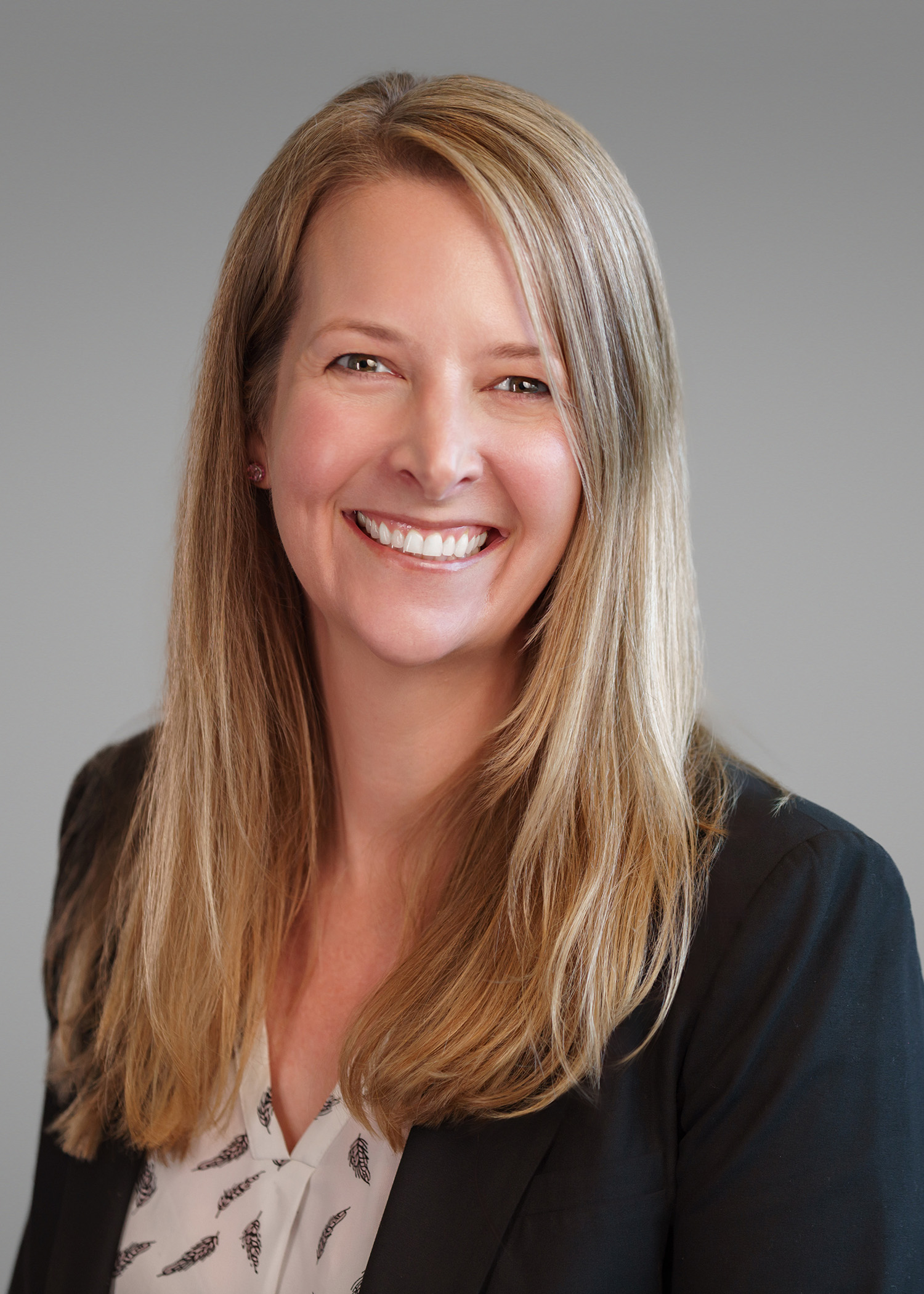
Katharine Wilcox is President/Owner of Resource Mosaic, an Atlanta-based executive search firm specializing in accounting, finance, and corporate leadership roles in Atlanta, and across the Southeast.
With 20 years of search experience, she began her career at William Morris Agency in Los Angeles before transitioning to executive search with Lucas Group in 2005. Katharine focuses on solving complex talent challenges and connecting high-impact professionals with strategic growth opportunities in the region's dynamic business community.
Outside of work, she is a busy mother of 7-year-old twins and serves on the Board of the Atlanta Beltline Partnership, supporting one of Atlanta's largest urban redevelopment projects. Originally from San Diego, she graduated from UCLA with a degree in Communication Studies in 1999.