How Recruiting Firms Break $10M: The 4-Part Growth Framework That Scales
Welcome to The Elite Recruiter Podcast! In this episode, host Benjamin Mena sits down with sales consultant Shad Tidler to break down what it really takes for recruiting and staffing firms to scale past the elusive $10 million—and beyond. If you've been looking for the secret sauce to intentional, repeatable growth, you’re in the right place.
Shad Tidler reveals his four-part "S" growth framework—Strategy, Structure, Staff, and Skills—and explains how mastering each pillar is critical for firms wanting to level up. Together, they discuss why a strong, visionary leader is often the true difference-maker, the importance of getting the right people in the right seats, and how developing processes, mindset, and accountability can transform your firm's trajectory.
Get ready for a deep dive into actionable strategies, practical examples, and the leadership mindset you need to break through growth plateaus. Whether you’re aiming for your first $10 million, pushing toward $25 million, or leading a team stuck at a ceiling, this episode will challenge your assumptions and give you the blueprint to build an organization that truly scales.
Let’s jump in!


Most recruiting firms never break $10M — not because of the market, but because the leader becomes the bottleneck.
If you want to scale past $10M (or $25M) without chaos, burnout, or relying on one rainmaker, this episode is a must-listen.
30 Day BD Challenge Kicks off Feb 9th in the Elite Recruiter Community
https://elite-recruiters.circle.so/checkout/elite-recruiter-community
2. Why This Episode Matters
Scaling a recruiting firm isn’t about working harder — it’s about building the right foundation.
In this episode, you’ll learn the exact framework elite recruiting and staffing firms use to grow revenue, develop leaders, and scale sales in volatile markets.
If your firm feels stuck at $5–10M, overly dependent on top billers, or constantly firefighting, this episode shows you why — and how to fix it.
3. What You’ll Learn
- The 4-part framework recruiting firms must master to scale past $10M intentionally
- Why most firms stall between $5M–$10M (and the hidden leadership mistake causing it)
- The exact reason top billers become dangerous bottlenecks — and how to fix it
- How elite firms build repeatable sales systems instead of relying on hero performers
- The mindset shift leaders must make to unlock team-wide growth
- How to structure accountability so sales behavior actually sticks
- Why slowing down strategically helps recruiting firms grow faster
4. About the Guest
Shad Tidler is a senior sales consultant at Lucid (Lucian) and has spent over a decade helping recruiting, staffing, and professional services firms scale revenue through leadership, sales systems, and accountability. He works directly with owners and leadership teams navigating the jump from $5M to $25M+.
5. Extended Value Tease
Imagine a recruiting firm where growth isn’t dependent on one or two rainmakers.
Where leaders aren’t buried in admin.
Where sales reps know exactly what to do, why it matters, and are held accountable without micromanagement.
This episode shows you how elite firms create structure, clarity, and momentum — and why the best leaders learn to get out of the way.
6. Listen Now CTA
If you want to scale your desk, your team, or your entire firm the right way — press play now.
This episode will permanently change how you think about growth.
7. Timestamp Highlights
- 00:02 – The $10M ceiling most recruiting firms never break
- 05:10 – How Shad accidentally entered the recruiting world
- 14:35 – The 4 S’s framework: Strategy, Structure, Staff, Skills
- 24:20 – Why leaders — not recruiters — are the growth bottleneck
- 31:00 – The mindset shift elite firm owners make
- 38:15 – How to plan the jump from $5M to $10M
- 45:05 – Why training fails without accountability
- 51:40 – The danger of relying on 1–2 top billers
- 59:10 – How elite firms build sales systems that scale
- 1:07:00 – What leaders must stop doing to grow faster
- 1:14:30 – The most overlooked reason firms stall out
- 1:20:45 – Why fundamentals beat “new tactics” every time
- 1:28:10 – Shad’s book recommendation and mindset philosophy
8. Sponsors Section
🚀 Atlas – AI-first ATS & CRM
Automates admin, syncs resumes/emails, and uses AI to build polished profiles and reports.
Try it free or book a demo → https://recruitwithatlas.com
9. Summit + Community Section
🎯 2026 Sales and BD Recruiter Summit
https://bd-sales-recruiter-2026.heysummit.com/
💼 Join the Elite Recruiter Community
All summits, replays, Billers Club + Split Space
https://elite-recruiters.circle.so/checkout/elite-recruiter-community
10. Tools & Links Section
Free Trial: Pin → https://www.pin.com/
Signup for emails → https://eliterecruiterpodcast.beehiiv.com/subscribe
YouTube: https://youtu.be/aSXObS1bXEM
Follow Shad Tidler on LinkedIn: https://www.linkedin.com/in/shadtidler/
Host Benjamin Mena: http://www.selectsourcesolutions.com/
Benjamin LinkedIn: https://www.linkedin.com/in/benjaminmena/
Benjamin Instagram: https://www.instagram.com/benlmena/
Benjamin Mena [00:00:00]:
Coming up on this episode of the Elite Recruiter Podcast.
Shad Tidler [00:00:03]:
When you have a good clear goal and vision, you're going after and you've got a good compelling reason why behind it that will help you stay on track when things get tough.
Benjamin Mena [00:00:12]:
What do you think is like the biggest differentiators between the recruiting and staffing firms that grow past 10 million intentionally versus those that are just kind of like stuck at a certain level?
Shad Tidler [00:00:23]:
It's usually the leader. Welcome to the Elite Recruiter Podcast with.
Benjamin Mena [00:00:29]:
Your host Benjamin Mena, where we focus focus on what it takes to win in the recruiting game. We cover it all from sales, marketing, mindset, money, leadership and placements. Admin is a massive waste of time. That's why there's Atlas, the AI first recruitment platform built for modern agencies. It doesn't only track resumes and calls. It remembers everything. Every email, every interview, every conversation. Instantly searchable, always available.
Benjamin Mena [00:00:59]:
And now it's entering a whole new era. With Atlas 2.0, you can ask anything and it delivers. With MagicSearch, you speak and it listens. It finds the right candidates using real conversations, not simply looking for keywords. Atlas 2.0 also makes business development easier than ever. With opportunities you can track, manage and grow client relationships. Powered by generative AI and built right into your workflow need insights. Custom dashboards give you total visibility over your pipeline.
Benjamin Mena [00:01:24]:
And that's not theory. Atlas customers have reported up to 41% EBITDA growth and an 85% increase in monthly billings after adopting the platform. No admin, no silos, no lost info, nothing but faster shortlists, better hires, and more time to focus on what actually drives revenue. Atlas is your personal AI partner for modern recruiting. Don't miss the future of recruitment. Get started with Atlas today and unlock your exclusive listener offer@reruitwithatlas.com I'm excited about this episode of the Elite Recruiter Podcast because here's is the thing. If you want to cross the 10 million mark or even the 25 million mark, there are four key things that you need to master. And here's the cool thing.
Benjamin Mena [00:02:06]:
The guest today has been hand in hand working with multiple recruiting and staffing companies, helping them cross that barrier, that 10 million barrier, that 25 million barrier, and how to do it right so you can keep scaling and growing. So Shad, I'm excited to have you on the podcast.
Shad Tidler [00:02:22]:
Thanks Ben. I'm excited to be here. Shad Tiddler, Lucian Sales consultant, coaching in the States and all over the world.
Benjamin Mena [00:02:28]:
All right, I gotta ask the age old question. I know you've been in the coaching business for a while, but how did you end up in this wonderful land of misfit toys? Recruiting.
Shad Tidler [00:02:38]:
All right, And I love the fact that you asked that only on misfit toys, not by intention. You know, Ben, there's a lot of things in my life have happened not by intention, by intention. I was supposed to be a mechanical engineer coming out of college and I'm a sales consultant. So obviously that worked out exactly as planned. So I've been working with clients since 2014, various size from startup all the way up to large multi billion dollar organizations and their sales management, sales leadership teams. And so I was working and I still work with a client here in Indianapolis, small medium sized recruiting staffing firm and was working leader her salespeople, her recruiters. And she just kept saying to me, you need to help more folks. She was part of the American Staffing association, asa, you need to help more folks.
Shad Tidler [00:03:21]:
And like I talk to people on NSA and they run into this and she probably said it two or three times and if I just looked at her and her name's Tiffany, I went, Tiffany, like how do I do that? Like you keep mentioning this like who are these folks and how do I do it? And she said, you know, I'm part of this group Americans asa. And she said, you know, I know the people who help run like the educational stuff and they have their big conference Staffing World once a year and they look for speakers and I'm on one of the boards, I'll talk to them and I'll put you in touch with some of those folks. And so that kind of served that. And that was back in probably 2016 when I start when I was working with her and she first mentioned that or maybe 2017. And and so I started talking to them and applied and did a breakout session in Staffing World and you know, was able to land some additional business and clients from it. And then afterwards, you know, one of the things I teach my clients do is like, hey, review with them. So I review with the people from asn. What was the feedback? And they're really good about.
Shad Tidler [00:04:13]:
They'll give you like a rating and like they'll get feedback from members. So it's really like they run it really well. So you know, it was really high, you know, really good feedback. And I said, how do I help you guys more? Like, are there other besides Staffing World, like other in person, you know, where you're looking for speakers? Do you do webinars in that? And so that kind of launched, and now consistently, I've been doing probably three, four webinars a year. I've done a couple more staffing worlds. And then from there, it started to grow that people that were in asa, besides picking up some, you know, clients and additional companies to help and getting referred, those members are members of, like, other groups like MRI Network and some of the local staffing associations, like Colorado Staffing and mkssa, Missouri and Kansas, and just started getting referred. And so that's kind of how it all it, like, like I said, it wasn't by design. It was just kind of, you should help these folks.
Shad Tidler [00:05:02]:
I started to get out there and get my name, and then it just started to kind of be referred and passed around.
Benjamin Mena [00:05:07]:
Well, referral business is the way to go. I mean, all of us recruiters, like, we love referral business. It's like, it's like the life. Like, yes. If I. If there's been, I think, a few years where I've lived off all referrals. So, like, is the gold mine of, like, everything you want. Okay, so wait, you wanted to be engineer first?
Shad Tidler [00:05:24]:
Oh, yeah. Yeah. So I'm a big scientist, like. Like, you know, like chemistry I loved in high school, and physics and math I wasn't the greatest of, but, like, it made sense to me. And I'm very technical, kind of logical type person. And I live in Indiana. And so, you know, I had three big universities here, like Notre Dame, Purdue, IU are kind of big ones. You have like Ball State and some other ones.
Shad Tidler [00:05:46]:
I went on a campus visit in high school, a sophomore at Purdue, knew I loved these backgrounds that fit. And I had some uncles who were engineers and mechanics and just went, that's what I want to do. And I got in, you know, had grades, got into Purdue. It's not nearly as stringent now. I don't think I'd make it based on what I hear from my nieces and nephews who go to college now. But I got in and did my first year, and I made it through. The first year is really hard. They have a physics class that's like a weed out.
Shad Tidler [00:06:12]:
And I actually made it through, but I got to the end of that year and went, I don't want to do this the rest of my life. And I was kind of lost because it had always just been this path. I'm going to be a mechanical engineer and design cars and parts and things like that. Right. And I'd never done anything else, you know, or thought of anything else. So my sister Whose year and half or me were really close. I was talking to her about it at the end of my freshman year, and she goes, well, why don't you go to school of business? I'd worked at a pizza restaurant or town and done some management growing up. You know, in high school, she's like, you were always really good with people and, like, the management stuff.
Shad Tidler [00:06:42]:
Why don't you go over there and like, talk to them and see what they got? And Larry walked in and there was a engineering business program they had. Not as heavy on the engineering, more on the business side that I got into called industrial management. And that kind of got me into the business path, so to say. But, yeah, it was. I always thought that was I was going to do. And then all of a sudden, end of freshman year, I'm like, well, what do I do now?
Benjamin Mena [00:07:04]:
So I like, I know that just because of the research I did, like, you took that business path for a while. But, like, where did this shift come into? Like, I want to do, like, sales training. I want to, like, help businesses 10x. I want to help them scale. Like, that's a completely different, like, direction than, like, the business side.
Shad Tidler [00:07:21]:
Right? You don't. There's not engineers out there saying, I want to go sell. I. I can't believe that too often I'll hire. I'm too. No, I. I know that there's some clients I work with, and they're like, help us shift the mindset of some of our folks who are technical to. To do selling.
Shad Tidler [00:07:34]:
Once again, not intentional. I. So I. I was living out of college when actually overseas I was in India for a year working for a tech startup on, like, business consulting side for their. So, like, the, like, helping figure out the business plan side of, like, technology in India came back and unfortunately, I was a victim of the 2001 tech bubble burst. Got laid off, was like, you know, as a kid, I'm 22, really not a whole lot of experience, struggling to find, you know, like, try to find a job living at home, going, I own it. I won't be living at home too long. I want to get on my own.
Shad Tidler [00:08:06]:
And so I had been lucky in college, in the program I was at Purdue that I had gotten referred in to a. An internship at Merck Pharmaceuticals out in the Philadelphia area. And it was logistics and transportation, and that's going to be the segue to my sales stuff in just a little bit. So I had interned there for six months, had come back for another summer, had a lot of connections. So I called up my old supervisor and was like, Brian, here's what happened. I don't like, do you know anybody out there? I'd love to get back out the East coast or you got anybody that you know at Mercury Openings? And he happened to just go, I'm getting ready to move out of my role. It's you and one other person. You're more qualified than she is with your experience.
Shad Tidler [00:08:41]:
Give me your resume. And I got back out there, which was amazing. In 2001 as a 22 year old kid with very little experience, right. Get to work for a great company. It was a great role. And then I also wanted to live on the east Coast. I really enjoyed out there. So, you know, it was like everything fell in place.
Shad Tidler [00:08:56]:
Well, I'm there for about, you know, three, four years. I'm going, do I settle down like, you know, late 20s and I'm going, do I settle down out here? Do I go back home to the Midwest where I eventually want to go? Had a bunch of buddies who lived up in New York City. I was up there every weekend hanging out with them and literally one of my friends just looked at me and goes, I was telling about this, I'm like, I don't know what to do. And he's like, why don't you just move up to New York, get a job and two of us get a place up here. Oh yeah. So I took that and ran with that one. Right. And so here I am, you know, my late 20s, live in New York City.
Shad Tidler [00:09:25]:
It's great, you know, having fun. I'm there and I end up into a logistics transportation firm, a third party logistics firm called Kune Nago, based out of Europe at North America headquarters in Jersey City in an inside sales role. Basically just taking my logistics operations knowledge. And I read the role like it was one of those things where friend of mine who worked for them, who used to, he was a provider for us at Merck, reached out and said, do you got any buddies who are looking for kind of like you but are looking for a new role? And he sent me the job description. I was like, I tell you what, let's grab lunch. I might not have some people refer. And I sat down, I went, I'm interested in what I have to do. And that got me into sales.
Shad Tidler [00:10:07]:
I was an inside sales role. I ended up in an outside sales role, moving back to Indiana with them in the logistics world. Well, while I'm there then it's the, the age old of a lot of companies do is like there's no real training. It's like throw you in, sink or swim. So I was doing well because I was just working really hard, not working smart, not being effective, just I was outworking everybody. And I went, there's gotta be a better way to do this. Even though I'm a young kid, I'm single, I can't maintain a lifestyle like this, like working, you know, this hard and this many hours and just to, you know, to make it. And so I think I googled, you know, just sales training in Indianapolis.
Shad Tidler [00:10:44]:
I did a Dale Carnegie eight week course that gave me some sort of kind of a process and some tools. But I went, it's just not, it's still not solving certain things. Like what? Why do I struggle with having these types of conversations? Or I'm worried about this or what do I do here? And so I think I ended up on Lucian, a company. I worked with their blog back then, you know, just started reading it, started getting it, started getting their newsletter and went, man, this stuff makes sense. It's speaking to me. Like the things they're mentioning, like that's what I'm running into. And back then how we, how we got new clients was we'd have what we call an executive briefing, which is you come in for two hours, one of the coaches would just help you work through some challenges. And then it was with the agreement that if, if you want to talk about getting help further, you sign up at the end and schedule time with them to get help, you know, talk about it.
Shad Tidler [00:11:33]:
Or you go, hey, this is great, thank you. I'm going to move on. I was in there. Aaron, one of our president, one of the coaches was in there and I remember he just challenged the heck out of me. There was like six of us in there and he was like, why are you doing this this way? Why are you like that? And I remember he asked, I'll never forget this question. Benny asked, how often do you follow up with customers? Here I am like, I'm a younger sales guy. I'm like, I'm calling them every week, right? They're going to know I'm there, they're going to know that I'm supporting them. And he went, why do you do that? I don't know, I just guess that's what you're supposed to do.
Shad Tidler [00:12:04]:
He goes, what if you agreed with them on how often to have that next conversation? You had that next conversation scheduled and a reason to have it. I went, I never looked at it that way. It's right, like it's like all of a sudden, the heavens open up and light shine down. I was like, oh, my God, there's the answer, right? And I just remember him telling him, I got to go talk to him and see where to get help and client for three years, 2014. I'm going, I'm ready to get out of the logistics transportation world, do something different. I still like sales. I liked helping people. I had gotten the benefit of the company I was with at the time, coaching some inside salespeople and teaching them.
Shad Tidler [00:12:39]:
While I was learning at Lucian, Larry was just teaching them that. And so I looked at Aaron one day at a class I was here, and he. And he said, what's been going on, man? It seems like, you know, it seems like something's on your mind. I go, thinking about getting out of the logistics world and doing something different. And he literally looked at me and went, come work here. And I went, if you ever met Aaron, he's very joking. I went, nah, I know he's. He's.
Shad Tidler [00:13:02]:
He's joking, whatever. And then I couldn't stop thinking about all night. And I remember calling him next morning going, were you serious? And he goes, yep. I go, what do we got to do? And a month later, I'm working here. So that's the long, winding road of how I got to where I am.
Benjamin Mena [00:13:18]:
I feel bad. If you called him up the next morning. He's like, yeah, I was joking.
Shad Tidler [00:13:24]:
You know, like, you know someone well enough. You're like, I'm pretty sure he's not. But you're like, we never formally had the conversation. But the funny part, Ben, after I got hired here, and it's like I started thinking about it, I go, wait a minute. Like, let's go back. Like, when did you start thinking I could work here? Right? And he goes, do you remember all those conversations over last year? And he would go back to specific conversations he and I'd had where he'd asked me something. I went, oh, crap, you were recruiting me or the past year, and I totally didn't see it. And he goes, yep.
Benjamin Mena [00:13:54]:
So, like, one of the things I wanted to ask you later is, like, when it comes to your clients and the sales and all that stuff, like, how do you become that person that you spend that year getting that client, getting that, like, the little things that you did to win them over and be like, BFFs, like their favorite recruiting company. But anyway, so let's put a pause on that thought. Well, if I. If I don't bring it back, Up, Please bring it back up.
Shad Tidler [00:14:19]:
It will probably weave into it as we talk about a few things here, so go ahead. Yep.
Benjamin Mena [00:14:23]:
Good, good, good. So we're gonna dive right in. Okay, so you've talked about this before on other podcasts, other places, but there's. There's four S's when it comes to the foundation. What are those S's?
Shad Tidler [00:14:37]:
Strategy, structure, staff and skills. All right, okay. Do you want me to break them down?
Benjamin Mena [00:14:41]:
Yeah, please, break them down.
Shad Tidler [00:14:42]:
Okay, perfect. So strategy. And here's the thing. It's. You can not have all of them strong, but if you go, I want to intentionally grow my company and do it in a. In effective and have all the right tools that we can be intentional about where we're wanting to get to and get ahead. Challenges. All four parts and having them strong are very important from a sales side.
Shad Tidler [00:15:03]:
And some of these are, as I talk through them, you're going to go, well, that's really important from an operations side or just overall running a business. Right. So strategy, I hear so many leaders of companies, present owner, CEOs, VPs, whoever it is, right. They've got the kind of the picture for maybe a year out, but not beyond that or even long term. Where am I going and why? Like, they just say things like, well, eventually I want to sell off the business, right. Or we'll see where things go. If you're not clear as a leader on where you want the things to go and why, your people won't be and people won't get behind it. So one of the first things we do in strategy is helping people get clear on where we're going, why, and what are the checkpoints along the way, right? If you go, hey, I want to get my company and numb's, right? Wrong.
Shad Tidler [00:15:47]:
But if I want to get my company to 50 million so I can at that point sell it off, right. And retire or maybe go do something else or start something else. And you're at 5 million now. Well, you don't just typically go from 5 million to 50 million. You know, it's going to be like, okay, we got to figure out how to get from 5 million to 10 million, 10 to 20, 20 to, you know, et cetera, et cetera, right? And have some checkpoints along the way. Let's start to lay that out. Let's start to lay out what is, what is our ideal client look like? Not just let's go get whatever, but let's be intentional going after the stuff that, you know, the clients and helping the people that we know are best, that fit us best, that are the good fit from both sides. What does our strategy look like for new and getting in front of those new ideal clients versus growing with existing and what resources and tool we need to put in place to get there.
Shad Tidler [00:16:31]:
And then the big piece I see a lot of leaders miss in this part too is are your people aligned with you on it? So many times leaders of businesses, they go really fast. They've got it all up in their head. They forget to take the time. Yeah, they forget to take the time to spit it out clearly and concisely to their people and make sure their people understand. So if I'm, I'm just going to take it from a sales side. If I'm a salesperson, I understand what does that ideal client look like that we're trying to get in front of? What specifically, what is that? And I'm aligned with what's going to help us be best to get there versus I'm just out of getting what I think's best or whatever I can get in front of. That's strategy structure. I got to understand what my processes and tools are in place to help me execute that strategy with my people.
Shad Tidler [00:17:17]:
What's there, what's missing, how to get more effective. I can't tell you the number of organizations I start with. And even big ones when I say big, you know, like 50 million on up that have never sat down and truly mapped out their sales process. Like, what do we do from start to finish to bring in new clients and to figure out are we in front of the right, Are we going after the right opportunities? What's our process to even grow with our current clients? What are the actual steps and conversations we're having? What outcomes are we getting that we don't want? And what might be the problems that we're doing in the process that are causing those 99% of like. And when I say outcomes we don't want, someone says, your rates or your price are too high. Someone says, we already got somebody, we're going to stick with them. Someone says, well, we've got other priorities. You know, yeah, it would be nice to fix our recruiting staffing challenges.
Shad Tidler [00:18:05]:
But these three things in our business are big, you know, a bigger priority right now. Someone says, well, I'm not the decision maker. There's other folks you got to talk to. Every one time you get one of those along the way in your process, there is something that did or did not happen before that caused that to happen. If my price is too High. Did we really discuss what the value was we're bringing and what makes it different? And is that big enough, impactful enough for them to go, I'm willing to pay more than who we're with now, how we're doing it now, because I see the value in how you were helped. If they say the price is too high, is it because they go, no, I see the value, Ben, I believe you could help. It's just weak.
Shad Tidler [00:18:44]:
Literally can't afford that, or we don't know how to afford that. If I say we're going to stick with our current company, is it, I didn't see anything that makes you guys different. Is it the problems? If you uncovered those, even if the problems I shared that we're having with them aren't that big enough, impactful, it's worth us doing something right. Is it? I never had that conversation to go like, are you truly committed to fixing problems? You and I were talking about this before and being here in the States, I'm going to relate to Thanksgiving. Got a lot of family members. I love them. You know, there's family members at holidays that come over and they complain about the same things. And I always tell it like, I tell my wife this with her family, too.
Shad Tidler [00:19:21]:
I am happy if you want to ask me questions on thoughts and some ideas of how to work through things, help them, I'm happy. But if we're having the same conversation two, three times, I'm not going to have that conversation. Just because you got a problem doesn't mean you're committed to fixing something. Right? I can't help people, but a lot of times we miss that and go, are they really committed to doing something about it? You got to know what your process is, where the problems are happening and what to do to fix them. That's part of that structure. Part of the structure is going, hey, if I need my salesperson go out and do a million dollars in business, do I actually have a path for how to help them get there? And we're tracking the right metrics, the right performance indicators, the right things along the way, often enough to go, are they on track? Are they doing enough and doing it consistently and effectively enough? Or do we need to adjust along the way to still help them get there? I got to have those right tools in place and know how that works and how it breaks down. Having things like a sales recruiting and hiring and onboarding process, if I'm going to grow and bring in more people, or if I'm going to, you know, hey, Maybe there's some people on the team that aren't going to be here or not in the right role. I got to replace them.
Shad Tidler [00:20:27]:
Do I have the right tools to find the right people who are not only a good fit for our company and our culture, but also have the skills and are a good fit for our selling environment?
Benjamin Mena [00:20:37]:
So, like, when you're looking at that, like, the structure and everything, or the essays, like, do you also see, like, differences between, like, recruiting and staffing firms versus, like, firms that aren't recruiting and staffing?
Shad Tidler [00:20:51]:
Yeah.
Benjamin Mena [00:20:51]:
And, like, how do we start building that foundation for those assets within our world?
Shad Tidler [00:20:58]:
Absolutely. So I'm going to take your first question. Do I see differences? Yeah. That actually goes to the third S staff. So that was a perfect segue. Thank you for jumping in there. Whether you realize it or not, Ben, staff is, you know, a lot of times, and I've seen. And you've probably seen this with consulting companies.
Shad Tidler [00:21:12]:
And I know having been, you know, on technology consulting, having, you know, been on their side of, you know, consulting companies helping me, there's a. There's a large number that, like, to just jump in and go, like, oh, this is your problem. Let's just start fixing it. I'm all for action, but are we working on the right end of the problem? And so when it comes to sales, same thing. It's like, yeah, we can jump in and start putting these pieces in place. We can start working on some skills. I'll talk about here in a second with your people. But do we know what's there? What's missing already? It'd be like walking into your doctor going, I got this coffee.
Shad Tidler [00:21:45]:
He's like, all right, go take that. See you later. Now, there are some doctors that do that. Don't get me wrong, but I've been the benefit over 15 years of having a really good family doctor that I walked in and said that to Dr. Gemma, the doctor I have. He'd be like, hold on. I'm gonna ask you a bunch of questions, Shad, so we can figure out what's causing this, so I can give you the right solution. Like, he's really good about that, no matter how busy.
Shad Tidler [00:22:06]:
Cause he's like. He really. You can tell, is like, I want to help you. I'm not gonna assume anything. Right? Same thing when it comes to helping grow your sales. And you gotta understand with your people, your sales manager, sales leaders, your salespeople, your sales structure, strategy, what's there, what's missing? Let's make sure we're working on the right things because, you know, you could say, hey, my people aren't prospecting enough? Well, is that they don't know what to do, like, what's expected, like, how much they got to do of it? Because, you know, you haven't clarified that with them or gone, this is what we're going to hold you accountable to. And here's why. Is it a, I don't know how to do it best.
Shad Tidler [00:22:41]:
I know what to do, but I don't know how to actually have those conversations, make those outreach be effective. Or is it they have a belief that prospecting is not that important. Well, if I don't diagnose and understand some of those things, then I could go, oh, well, let's just work on the technique. When they're going, oh, I don't know how much I got to do with that technique. And I don't believe it's that big of a deal to prospect. We've got some tools that we use to help evaluate your team up front to figure out what are all the things that are there, what all the things are missing, what do we need to prioritize on and work through in putting these pieces in place and helping improve, that's going to have the biggest impact to help you reach the goals and challenges you're trying to solve. It's like going to the doctor and getting blood work. It's like, hey, let's do some blood work before we just start giving you a bunch of stuff.
Shad Tidler [00:23:27]:
And then finally the last piece we work on is like, the skills of how to do it. But that's the first piece is. You got to understand. Yes. Is there a difference between a staffing recruiting company versus a working with a company who's a custom concrete for large municipal projects versus working with a technology company? Absolutely. There's nuances to their world. There's nuances in sales cycles or nuances in who they're. Who they're trying to get in front of and the size of those deals and the challenges they got to work through.
Shad Tidler [00:23:58]:
We got to understand a lot of that up front. So we go, okay, let's adjust all these things we're going to work on to your specific situation.
Benjamin Mena [00:24:06]:
So getting a chance to. Because you've been working with a lot of staffing and recruiting firms, so you get to kind of see what's underneath the hood.
Shad Tidler [00:24:13]:
Mm.
Benjamin Mena [00:24:14]:
What do you think is like the biggest differentiators between the recruiting and staffing firms that grow past 10 million intentionally versus those that are just kind of like, stuck at a certain level.
Shad Tidler [00:24:26]:
Okay, I'm gonna probably say something that may catch. Catch a bunch of people off guard, especially if we got presidents, owner, CEOs, or leaders of companies on here. It's usually the leader. Here's what I mean. Companies. And I'm not the first one to say this. You'll hear this from other people I've heard this from, like on Tony Robbins. Other people.
Shad Tidler [00:24:45]:
Companies only grow as fast as their leader grows. So what do I mean by that? A lot of times the difference I see is that companies that grow faster, that grow bigger, it's because the leader's goals and vision, the leader's willing to get the heck out of the way, get the right people, put the right tools, right strategy, structures in place, right skill, you know, give them the development they need, and get the heck out of the way to let his people go out and his or her people go out and execute. They keep pushing themselves to get better. How do I help myself get better to help my people more? A lot of times when companies get stuck and some of the best staffing company recruiting companies I worked with, the reason why they've grown is because those leaders have that mindset and the other piece with that, Ben, they hold themselves and their people accountable to get there. It starts with them first. They don't go, oh, you know, we're not growing my people. It's something wrong with them. Great leaders look at themselves first and go, what am I not doing? What am I doing or not doing that's causing them to not get better and develop and grow? How do I level up to help them level up versus blaming them to start with?
Benjamin Mena [00:25:53]:
So you're talking about leaders growing. So, like, leveling up. What does leveling up actually mean? Does it mean like reading books? Does it mean like getting coaching? What does it mean? What am I being accountable with?
Shad Tidler [00:26:02]:
So being accountable first is going, if this is the culture of the company, do I reflect it? So what does that mean? If I say, hey, it's really important around here that everybody gets new skill sets and learns and develops, am I going first and setting that example? If it's really important, if I say it's really important around here that everybody, if you make a mistake, you take responsibility and you, you correct it, but you take responsibility. You don't try to hide behind it, am I doing that? If I say it's really important that we're not afraid here to go out and try new things and develop and push boundaries, as long as it's helping grow and help our people. Am I showing that? If I say people come first versus other things, am I showing that's the first thing? Accountability starts with a lot of leaders, not just, hey, this is a great thing. I want my people to be accountable. Accountability to hitting goals and numbers. If we go where we set these goals out, are we going to do everything we can and hold ourselves accountable to hitting those numbers? And may mean having some tough conversations along the way to get on track or if we miss some, not settling for mediocrity. Now, it doesn't mean that we make it all about the numbers. No, we're going to help our people, too.
Shad Tidler [00:27:11]:
And great leaders are also great about understanding their people's goals and motivations and how do those tie into the company's goals and motivation? If I help my people get more what they want, naturally what I want in the company comes along with it. I just had that conversation with a group of managers before this and we were talking about that, you know, exactly, like literally right before I got on here with you, Ben. And what we're talking about is there's different types of motivation. I go, it's not right, wrong, good or bad. What you need to know is which ones of these are driving your people and why, and then tie it back to where the company's going and how does where the company's going help them get more what they want? Great leaders are able to do that and to help people stay on track. So that's what I mean by the accountability. How do they level up? Could be getting coaching, trained, finding somebody who can help them with this. Been there.
Shad Tidler [00:28:00]:
Help them put those skills in place, help them understand what's missing. They need to work on listening to books and not just listening to audiobooks or reading books, but actually applying it. I'm a big believer in I could listen. There are people who go, I'm going to read or listen to 100 books a year. Great. The question I always like to ask them is, what have you done with it? What have you applied out of it? If we were at my house, you would see my, my personal office. You'd see a nice wood bookshelf. And there's probably 7,500 books on there.
Shad Tidler [00:28:28]:
I've read. I'm going to be honest, probably 75% of them. There's some that I've just touched or quickly. Right. I've listened to a bunch of audiobooks through Audible, but if you ask me how much I applied, that's going to be a smaller subset. And and that's the key is what am I applying all those things. But, you know, whether it's those tools, et cetera, great leaders are going, I'm leveling myself up so I can help my people. And I'm setting the example by going first.
Benjamin Mena [00:28:56]:
What do you think is the top three things that derails a company or a leader from growing to that 10, $25 million mark?
Shad Tidler [00:29:05]:
First one I'm going to say is definitely not having the vision to get there.
Benjamin Mena [00:29:09]:
Okay?
Shad Tidler [00:29:10]:
Not having the vision and not having a good, compelling reason why. When you have a good, clear goal and vision, you're going after and you've got a good, compelling reason why behind it that will help you stay on track when things get tough, right? Like growing a business. It's, you're going to have employee issues, you're going to have personal challenges, you're going to have market shifts, right? All those things are going to come at you. But great people who grow companies and do well, they go, this is where we're going. Here's the big vision, here's why, and that's compelling. So I'm willing to work through the challenges and figure out how to get through versus getting derailed. I'm a big believer also in, I've read Good to Great that book. And they talk about the hedgehog principle, right? Like, what's your unique one thing you focus on, right? Or those couple unique things you focus on, where you.
Shad Tidler [00:29:57]:
It's your sona genius. You bring the most value. Great companies that grow, those leaders understand that not only about their company overall, hey, we could go do this, we could get involved here, but this is really where we bring the most value and how do we do that more effectively or get in front of more people to help? But they also know that as a leader, right? Maybe I'm not the best salesperson as a leader, maybe I'm not the best HR person. I'm not the best at doing admin, but I'm the best at doing these things. That's my zone of genius. How do I go find myself or surround myself with people who are really good, the zone of genius for them on these other things so that we can make sure all these things are getting done and we keep things moving ahead, right? So that's kind of, you know, number two is they understand that and they're able to do it when they're not able to becomes very distracting. They're taking on a lot of things that they don't need. The third piece is that helps Them and, or where they struggle is that if they're not a great developer of people, so they're not spending that time, effort, and energy figuring out, like, how do I coach my people to get better? I can't create motivation in them, but how do I understand their motivation and stoke that fire and help them get more? How do I make sure I hold them accountable and myself also and keep going? Those kind of three things.
Shad Tidler [00:31:16]:
The great companies I see the ones that do really well, they're really strong at those or have those in place and they keep coming back to them. The ones that struggle, something of that's missing.
Benjamin Mena [00:31:25]:
Love that. I know in multiple places online, I've seen you talk about planning. I know we, we talked about this in the, in the pregame. Like, planning is super important.
Shad Tidler [00:31:34]:
Yep.
Benjamin Mena [00:31:35]:
So let, let's, let's frame it this way as just a, a, a thought process or a thought exercise. You are sitting down with an organization that is looking at going from recruiting, staffing, organization that's looking at going from 5 to 10 million. They've got a team. What does a plan look like to grow from that 5 to 10 mark?
Shad Tidler [00:31:57]:
Perfect. Great. Great question. Very first thing, you know, we said, like, and, and I'm gonna assume with a team, this was gonna go back to that staff piece. As we've evaluated their team, we understand, here's all the, you know, here's what's working, here's what's not. We've got. Cause that's the very first thing of the plan is before we jump in, let's evaluate and understand all those things. Besides the conversations I've had with that leader.
Shad Tidler [00:32:18]:
Right. I want to get underneath the hood and uncover what's really going on. Right. So we've got that. Very first thing we're going to do is go, okay, we got that. Let's prioritize. Here's your goals. Let's prioritize.
Shad Tidler [00:32:28]:
Here's the biggest challenges. We got to get out of the way to get to those goals first. So very first thing, I'm going to sit down and let's, let's start that strategy of where do you want to go? Where is long term and why? All right, let's start there. Okay. Let's start to get that clear into a clear picture. What does that specifically mean? Okay, great. That's 10 years out. Let's talk about the checkpoints.
Shad Tidler [00:32:49]:
Two years from now, where do we need to be? Two years from now, where we need to be? Five years from now, where we need to be seven years from now, what does that specifically mean? It's kind of like a SWOT analysis. What's the things that have already helped us get to our growth to where we're at now that we can build and capitalize on, go deeper, what's the things and gaps? And we can use our evaluation tool to figure it out. Right. What's the things and gaps that are keeping us from getting there and how do we start to work out of those? What's some opportunities we got out there? Maybe they're like, hey, there's a big shift in the market where we can take advantage of this, or we've got an opportunity right now is that we're the first in this particular market, we're the first doing this that we can get ahead of, you know, we can use and take advantage of. Okay, great. What are the threats or threats from people? What are threats from the external environment? How do we start to plan, mitigate for that? Right. And then start to get very specific of, okay, if this is our goal two years, five years, seven years from now, how much do we need to bring in new business? What are we doing a year right now with current. What can we expect to retain there? What can we truly expect from growth with those clients? What's going to be our specific strategy for that? What are we going to go after to grow those and how to do that? What does that leave new that we're going to do? Okay, now let's break that down.
Shad Tidler [00:34:02]:
Our people, what do they need to do in order to do this? What's the, you know, are, are we aligned on that? So that's going to be our very first thing is we're going to spend time getting really clear and specific on that and laying those out. Then we're going to start to work into the structure piece. Okay, let's map in what's not working in our process. Let's map that out, figure out what's not working and why, or we're going to work on with our people to start to help them be able to do that and to execute through that structure. Right. And to help in that process and put that in place. How are we going to managers, how are we going to use these tools to train our people to get more effective, to coach them, to hold them accountable. Right.
Shad Tidler [00:34:38]:
So we're going to start to break down the structure pieces and we're going to be doing some training with their managers and leaders through this. Of how do I. Okay, great. Got a good plan now. Strategy, right? We got some Structure, we got structures and tools. How do I start using this when it comes to coaching my people and holding them accountable and motivating them and how do I work on my skill set? So as I mentioned, that valuation part of it is we're evaluating the leaders and managers go, okay, what's not only from a overall the organization, but from them particular on what skills and strengths they have in those areas, what's missing? And we're going to start to work on some getting their skills ahead. Now, first thing, like, a lot of people go, why don't you just jump in? Like with the salespeople earlier? And we usually spend, I'm going to say, two to three months with the managers and leaders first before we touch salespeople. I go, here's the analogy I give.
Shad Tidler [00:35:26]:
Let's say you have kids. Let's say your son's, I don't know, four. And he's like, dad, I, I, I want to learn how to swim. And you're like, that's awesome. Love it. Okay, cool. I wanna take you out and teach you how to swim. You're out there and all of a sudden you go, I don't really know how to swim.
Shad Tidler [00:35:40]:
And your son's struggling. How effective are you gonna be at helping him if you don't know the basics and how to swim?
Benjamin Mena [00:35:48]:
Details, right?
Shad Tidler [00:35:50]:
Kind of important details. Right. But that's a lot of times when we take that, those first few steps with those managed leaders, like, not only get those things in place and all be aligned, because if we then start helping the salespeople and they're going, well, I think we should be going this way, right? Or I'm not quite sure how to do this. They're going to spend more time with their people than we are if they don't know how to use those things. And it doesn't mean they got to be perfect, but we got to give them at least a certain proficiency level. It's not going to be very effective, them reinforcing. So that's going to be the first three, three months, sometimes four, depending on, like, how much we got to, you know, handle and get undone and, and fix. And then we're going to start in with the sales team from there and that's going to be okay.
Shad Tidler [00:36:31]:
Let's work through the challenges they're having and laying how, okay, now we've got some new processes and tools and how we're going to put that into place to help you with these challenges and getting into regular training and coaching from there. But the Very first thing, I mean, that first few months is about let's make sure we understand what's there, what's missing, what's the strategy structure, getting some of their skill sets from a management side laid out. Before we start in with the sales.
Benjamin Mena [00:36:54]:
Team, do you start seeing, like, differences between those aiming to go from 5 to 10 different from those trying to go from, like 10 to 25?
Shad Tidler [00:37:06]:
Yeah. So some of the differences I see when you're 5 to 10, I'm a leader organization. I'm wearing 18 hats still, generally. So getting them to start. And the earlier that this can happen with those leaders and managers, the better. But games start going, what can I delegate and hand off? What do I need to just get rid of and stop doing, like, there are so many things. Like, they may be tracking certain reports of things because they had to help fix something with a customer a year ago. And I've literally had this conversation with managers, Ben, where like, they're like, okay, so let's go through all the things you're doing on a regular basis and let's figure out, like, what are the things, like, where your top three you should be doing, where you bring the most value.
Shad Tidler [00:37:46]:
This is where your true value to the organization is. What's everything else that you're doing right now? And then how do we. If this stuff, it's got to happen, but it's not in your top three. You could easily be delegating this or hiring something out how to do it. And then what's the stuff we're doing that when we take a step back and go, if we cut doing it, our people will be okay, our company will be okay, our clients would be okay. And literally, I had a manager a couple of years ago, we were working through this. She was writing a report because they had had an issue with a client they were trying to get resolved. And so I had all this reporting.
Shad Tidler [00:38:17]:
And so this reporting took her like two hours a week to do, like, getting all the information together, calling it, pulling together, like, formatting stuff, et cetera. They had fixed the problem with the client, like six months before, but she was still doing, like, they still kept this as a requirement. And I went, why? And she's like, I don't know. I go, if you stop doing this, what. What would happen? She goes, well, nothing. The clients don't even review it anymore. And so if you think about that, it's two hours a week. You go, okay, it's not a big deal in a week.
Shad Tidler [00:38:47]:
But if you add that up in a month, that's 8 hours times 12 months, was that like 96 hours? Now divided by, let's say a 10 hour workday, that's almost 10 days of time you're spending a year on something that doesn't need to be done. Right. So part of it is helping them get stuff like that out of the way so that they can grow and really be focused and then go, okay, now I've got all these other things still gotta be done for us to grow to get to that 10 million. How do I start to figure out the right people to do it? A lot of times when you're in that 10 million, you're trying to go to 20 or 25, you've got some, there's still some of that. It's not as bad because if you've grown to that point, you've had to shed some things. But it's more about now going, okay, that four areas of the strategy, structure, staff and skills. Let's make sure we understand what we haven't done well enough, developed put in place that's going to keep us from getting there. It's more, I see it becomes as you're starting to grow from 10 to 20, 25 million on up, it's less about the foundational pieces because you've got to figure out someone, whether you're intending to or not, to get to that point.
Shad Tidler [00:39:55]:
It's more about the tweaks and the little things you can do that can compound every day and exponentially help you grow.
Benjamin Mena [00:40:02]:
So once you've sat down and worked with them and built out this plan, that's like helping them scale. Like what does that, that data driven growth path typically look like?
Shad Tidler [00:40:12]:
Yeah. So a lot of times. And it's going to be different depending on, I know we're talking about recruiting here, but there's a lot of different things, right? Depends on size of the deals that they're doing, depends on how fast and aggressively they want to grow. It depends on the magnitude of the growth. Right. Like If I'm a $50 million company growing 10%, that's 5 million. Okay. It's not huge for my company.
Shad Tidler [00:40:35]:
That could be huge for a company that's 5 million, going, growing another 5 million. Right? It depends on those things. Generally what we see is getting those, it takes about a year to get those first things in place. Your people starting to change some of the fundamentals, their mindset, et cetera. Putting some of the tools and pieces in place in that first year. You're probably going to probably See with us a 2 to 5% growth year over year. But then after that, once you've got those pieces in place, your people are executed. As long as you're helping reinforce those and making sure things get in place and we're coming back to and people are adapting and adopting those and putting in place, then you start to see the bigger piece unlock where you see 5 to 7%, 7 to 10%, etc over time.
Shad Tidler [00:41:21]:
Because now it's okay, we've got the right things, we're fundamentally doing the right things and repeating. And now we are able to make small tweaks and adjustments and things that can have a bigger impact. Right. But it really, that first year, I tell people, I go, look, here's the thing. You didn't get into all these problems overnight. We aren't going to just magically flip a switch and solve. I wish I could. That would be great.
Shad Tidler [00:41:41]:
I probably wouldn't be talking to you, Ben. I'd be sitting on some beach in Tahiti sipping martinis because I had more money than I knew what to do with if I was that effective. It's going to take some time put these things in place. But if we put the right fundamentals in place and build on them and get people executing on them, et cetera, that next year on, that's where you see the exponential growth because you're, you're doing a lot of the right things consistently.
Benjamin Mena [00:42:06]:
If I remember right, the organization that you're with is also part of like this, a major sales training organization too. Right. So I want to flip a little bit into like sales. Sales execution and that, that's the end, House. Just because looking at time and I look down, I'm like, crap.
Shad Tidler [00:42:23]:
All right, well, great conversation. I totally lost track of time too. So.
Benjamin Mena [00:42:27]:
So you're dealing with these leaders and I know like sales is a super important part, especially for recruiting, since all we are is a freaking sales organization, whether we like it or not. The recruiting side. Sales. The sales side of sales. Yep. What are some of the ways that you have worked with clients to like tighten up the sales process on that 5 to 10 million route and that 10 to 25 million route?
Shad Tidler [00:42:48]:
Yeah, you know, very first. Like, like. And this is whether, hey, we're at 5 million, 10 million, 25 million. It's very first, like I said earlier, is, you know, I gotta be like the doctor and let's understand what's happening with the patient right now. So first thing is literally grabbing a whiteboard, whether we're in person or a virtual Whiteboard, and let's map it out from start to finish. What are we doing now? And also, not only do I talk with the leaders, I talk with their salespeople and go, okay, leaders are saying this. Is this what we're doing as a sales team? Because sometimes those aren't aligned. Leaders don't realize what's happening and vice versa.
Shad Tidler [00:43:21]:
I know, hard to believe, but the first thing we gotta do is we gotta understand what we got, right? And so as I go through and we map it, it's literally just, okay, what happens? How are we even trying to get in front of folks? What sort of objections and pushbacks that we're prospecting do we find? Okay, hey, now you get that conversation with somebody. What are you covering in that conversation? What things are you asking about, bringing up, talking about, et cetera? What do they ask about? What sort of, you know, if you go, hey, at the end of it, like, I would like to meet and talk further, are they like, yeah, that sounds great, you know, and let's do that, or are they giving you certain objections, installs? What happens there? Hey, now you get those meetings with them you're going through and trying to qualify and make sure, is it a good fit from both sides? How are you doing that? What are you talking about? What did they ask about? What sort of challenges? Objections happen from there. If you had a great meeting with them and they go, you know what? Yes, send me over your contract rates. We'll take a look in your boilerplate contract and we'll get back to you. And then they ghost you, right? Or they come back and go, oh, well, we already got somebody. We're good. Or, oh, your rates are super high. I think we're gonna stay where at? We gotta understand what are we doing that conversation, that meeting that's causing that.
Shad Tidler [00:44:27]:
Right? And so we gotta get those. Hey, you get, you get. Maybe they've looked through the contract and the rates, and you're meeting with them one last time to confirm they want help. And then they bring up something. What's happening there, right? And then even after that, it's like, hey, now we get started, we're filling that role. Do we find that we go to Phil, like, and they don't send you the actual job? Or, you know, or they keep blowing off candidates that you send, or they're not following your advice as you're implementing, right? Or now you're talking to them about our roles. We got to map all that out first and understand what's there. Where are all the I call those the fires.
Shad Tidler [00:44:59]:
The objection stalls, put offs. We get the fires along the way. So that way I can then go, okay, here's methodology. We use the tools that we're going to help you put in place. I'm going to map it first into the process and then through some of the training, coaching, you're going to understand at least some of the basics or we're going to work through those. I'm going to help you with how do we're going to use that, how to execute that in real life conversations. But I need to understand what's happening so that way I can help you to start to put in the tools to make sure those buyers don't start. Right.
Shad Tidler [00:45:29]:
If they go, I'm not really interested in meeting, it's probably because we didn't uncover, is there anything even worth the meeting with us about? Or maybe they're not the actual person. Like maybe I call it the throw up and. Or show up and throw up. Like we're just trying to throw up all over them stuff, hoping something sticks, right? Yeah, yeah. Versus asking questions and uncovering like, okay, here's some of the common challenges in recruiting. We hear from clients. Here they are, challenge A, B and C. Are those things your experience? Is that worth us having a conversation? Versus hey, we can do all this great stuff for you, which they probably have heard from their current company who may not be executing on those.
Shad Tidler [00:46:04]:
Right. All those things I got to know. So that way we can go, okay, here's what we're going to map in and start to do and train you and your people and then help you with how to use this as a coaching model to help them get more effective where they're having problems and also to stay accountable. So I got to first map it out. Then we've got to, you know, okay, now we've got to work through and help them understand what we're going to do and why. And then now next train them and their people with it and then teach the managers how to coach, how to use as a tool for accountability. And then, oh, by the way, if they have a customer relationship management system or CRM, we got to make sure that the sales pipeline is lined up to the same stage as the sales process so that their people are putting stuff in the CRM and going, hey, this is something really qualified. It's going to close.
Shad Tidler [00:46:48]:
Well, they're able to use that process to look back and go, wait a minute, if it's in this stage, which lines up with our sales process stage, Is it because we did all these things or is it in the stage because you feel good about it? To me, organizations have stuff in their pipeline they feel good about versus we know that it's in the stage because this has happened and that's why it should be there.
Benjamin Mena [00:47:10]:
So I got another sales question. This is on a organizational level and I love big billers. Like, we do tons of interviews with big billers on the show, but a lot of times I see companies relying on one or two big billers. How do you like, like, I don't want to say, like you want to take care of them and you want to help them get. Get even bigger. Because if not, they're going to go become your competition. But at the same time, like, how do you set up your team so you're not relying on three people to get you to that 5 million mark? And then you have like a whole rest of a team that's just, I don't want to say not cutting it, but nowhere close to like, there's a big valley between the two.
Shad Tidler [00:47:52]:
Absolutely. So first thing, big biller. Yeah, great, obviously. But they are your best customer is someone else best prospect, meaning that their people are coming after them. Like, you can just bet on that. I even one of our clients recently, I was at a conference with them and it's a membership, you know, association. I help a bunch of their member companies. And one was like, hey, one of your competitors prospect me, I'm like, bring it on.
Shad Tidler [00:48:18]:
What do they do? Right? And they're a great company. I'm not surprised. Like, they're well known in the industry. Right. So I know that. So part of it with big builders is you gotta go. Okay, all right, salesperson, I get this. One of your big clients, let's also make sure is like, are you spending a lot of time servicing doing other things that someone else could be doing where you can focus in with this client more on where can we help you more and sell more to you.
Shad Tidler [00:48:45]:
But also once you start to take away. Because most of the times when people are too focused, Ben, from a selling side on big clients, it's because they're getting way too involved in the servicing and too many things that a customer service or operations or account management team should be doing. Because their belief or worry is if I don't have my hands in everything, they're going to go away. Something bad will happen. Not if you got good people on your team that you've trained and coached and are helping, you know, and are good people from operations Account management, customer service side? No, actually, a lot of bigger organizations, they respect it a lot more when they see a team because they're like, you're big enough to handle us. Right? That was the lesson we had to learn as we grew here at Lucian. We're only 22 people. We've learned with bigger clients to have more of our team involved because they go.
Shad Tidler [00:49:31]:
That's how we operate. We don't operate as single people. And so that's one. You know, one thing is, do you make sure it's like, they're clear and like, hey, it's okay to hand these things off. You can still be the quarterback and go, this is where I want the account to go. But you're not the one executing all those conversations. That's one. That's going to free up more time for those people to go out and sell more.
Shad Tidler [00:49:49]:
The other thing is, is you got to go, okay, hey, my rest of my team, do I have the right people on the team that are motivated to go out and sell more? Do I have them going after ideal clients, or do they have the skills and tools they need? Even my people who are managing those big billers, are they. Do I understand their motivation and do we have a good plan for them to go out and prospect other new right versus just right? I. I used. I mentioned I was on the transportation logistics side and sales before I saw this. A bunch in that industry, somebody gets a big whale of an account and they just ride it out. They just ride it out, right? Because they're like, I can ride off this guy forever. And it's super hard once you get somebody integrated in all your transportation, to just all of a sudden up in that. Like, that's not easy to undo all that.
Shad Tidler [00:50:38]:
Right? And they knew it. Well, the problem that happened with that particular company I worked with, and it was who I left right before I came to Lucian was that the management leadership new company came in and bought the company out. Management leadership figured this out. It was like you had people just writing out these big accounts. So instead of trying to figure out, like, what motivates those people and how do we help you get more of that, and then helping them figure out a plan to prospect instead, what they did was they just started going, we're going to cut your commission on these things or delay your commission on big accounts, because they thought that would motivate people to go, well, here's the thing. Unless those people were driven by money, no, it wasn't going to motivate them. And when you take money away from people, Ben, all you're going to do is piss them off. Oh, people have no problem.
Shad Tidler [00:51:25]:
You give more money. But taking away. Yeah, you're going to piss them off. Right. So that's a lot of the problem I see going back to the big builders is do we have them set up in the right way that that salesperson's not doing everything? And then also is, are we understanding how those people, those salespeople, are motivated to get them to go out and to go after more and having a clear path for them how to get there that we're staying accountable to?
Benjamin Mena [00:51:50]:
You just took me back to my first recruiting job straight to college. I landed a big account. I was not the salesperson. I just wanted to be the recruiter. But I'd landed a whale of an account and they. If you want a good laugh, they ended up redrawing my entire territory and gave it away to another recruiter and account manager. I had to train that recruiter. So I watched her get all the commission.
Benjamin Mena [00:52:14]:
And they said, at the end of the year, like, you just didn't work hard enough.
Shad Tidler [00:52:20]:
What? Yeah. And that what happened in the forum companies, I was already on the I think I'm going to get out of this industry. But that was just when I saw exactly what was starting to happen, what they're doing. I was like, okay, I, this is not what I want to be part of. Because you're not fixing the problem. The problem is more of a motivation problem than it is a, hey, we're going to restructure this so you paid later problem.
Benjamin Mena [00:52:44]:
So, okay, I love the thoughts of like, you have this big biller, like, how can you find people within your organization to support them or hire people like account management and customer service and customer support so that way they can go do what they're great at.
Shad Tidler [00:52:57]:
Well, and here's the thing, like, and you probably see this with recruiters. I know you did, because I've seen it with staff and co recruiters too. Is like, well, we want them to go out and do all these different things, but they're really good at recruiting. That's what we hired them for. I see the same thing happen with salespeople. It's like, well, we want you to go out and sell, but we want you to do all these other things too. But. But selling and going in front of new people is the most important thing.
Shad Tidler [00:53:21]:
You can't. If you're serving three masters, you're not serving any. So the best thing to do, and this goes Back to. I was talking about good, great. Like that hedgehog principles. What you hired them to be really good at one thing, help them be effective and get out and do a whole heck of a lot of that one thing.
Benjamin Mena [00:53:40]:
So I'm gonna have to kind of like jump through the many of the questions that I am not gonna get through. But one of the ones that I I'm curious about because you, your organization does so much in the sales training side of the house. How do you structure accountability into sales training so that way a good behavior sticks past hanging out with a coach?
Shad Tidler [00:53:59]:
Absolutely. Great question. And this is where I'm gonna separate out like I talked about those four areas. Strategy, structure, staff and skills. This is where some people come to us and they're like, we just want you to train our people. And firsthand I go, timeout. No. And they're like, what do you mean no? Are you looking for them just get some fancy tools and skills or are you looking for them to actually change behavior and transform? And 99% of leaders are looking for.
Shad Tidler [00:54:25]:
We're looking for them to change in behavior and transform. I go, just training them isn't the only thing that's going to be important. All those other things. But the first thing starts with the leaders, Ben, on accountability is are they being accountable to going, I'm going to participate and play in this process and set the example. One of our rules with our companies we work with is leaders must play. What does that mean? You're not just sending your people as to training coach. No. You're going to be involved.
Shad Tidler [00:54:56]:
You're going to be involved in all these other things there that we talked about. You're going to be involved in getting better from a coaching accountability, motivating side. If you're selling as a leader, you're going to go through the programs and the tools too, because you can't reinforce these things with your people if you don't know what they are. We're going to, I'm going to have conversations with the leaders on a regular basis and I'm going to hold you accountable to doing things. If we agree that you're going to get these things done between we're going to have tough conversations. If you're not, because if it's not, you're not saying the example and staying accountable to this, it's communicating that down the chain to your people. We're going to work with you and your managers on how to actually build out those accountability plans. So, okay, do we understand we got clear goals with Our people do.
Shad Tidler [00:55:45]:
We break it down to what they need to do on a daily basis, weekly, monthly, the right metrics, KPIs and we're tracking the right things with them and then helping them understand why, how it's helping them and then also making sure you got one to ones with them on a regular basis. And how do you be effective in that and have the accountability as part of it. We're going to work on your skill sets as a leader of how to have the tough conversations when you need to, how to be focused on the right things, how to really understand what's going on. It's easy for managers to look at salespeople and go, hey, are you doing. Oh, yep, I'm doing them. And just take it at face value versus let's talk through specific results and numbers. It's the group I had right before we were talking about this is one thing about great leaders and managers is they're good at bringing reality to things. Easy for people to shine stuff up and make it sound better than it is.
Shad Tidler [00:56:36]:
Easy for people to gloss over stuff they're going, I want to get to reality. So I know if we got to work on improve something, we know what we're working with. But the very first thing I got to do is help those managers make sure they're being accountable and setting the example and building the structures to help their people stay accountable with them.
Benjamin Mena [00:56:53]:
And man, I got so many more questions I want to ask you in.
Shad Tidler [00:56:56]:
Places I want to do, but I'm.
Benjamin Mena [00:56:58]:
Just kind of curious. You work with a lot of staffing and recruiting firms, but you also work, work occasionally with like startups and big Fortune 500 companies. And you know, most of the time you see the insides of us for recruiting companies, it's like a xyz. It's been done. We keep on doing it. Is there anything that you see with these other companies, like when it comes to sales that we get to steal from that would just freaking rock the recruiting industry.
Shad Tidler [00:57:24]:
So I'm taking a moment to think because I've never had anybody ask me that. So that's a wonderful question there. Nothing that's, that's groundbreaking but I, I wish I could say or some groundbreak. It's the fundamentals. It's the fundamentals from a management leadership of being really effective. Coaching, accountability, moving. It's the fundamentals of having those four pieces that we talked about in place. Strategy, structure, staff and skills.
Shad Tidler [00:57:47]:
And then having your people, you know, improving their skill sets and helping them. It's a Lot of what we talked about, there's nothing. I see organizations. It's like something groundbreaking. We're doing this different. It's just the organizations that grow faster and are more effective, they just do those things more consistently and at a higher volume than some of the organizations that don't grow as fast. And there's always outside factors and influence in an industry. Sure.
Shad Tidler [00:58:15]:
But they're doing. They're just doing. It's. I'm a big basketball guy, so I'm going to relay back that the reason why Jordan and Kobe and these guys are so good. If you talk to a lot of people who played against them or with them in that time, one of the things they talk about wasn't just their work ethic, and they were insane. Like, they were doing things that nobody else was doing in terms of that. But it was the fundamentals. I was watching a video this morning of Jordan, and you're watching his footwork, and his fundamentals were so sound, and he just executed them consistently.
Shad Tidler [00:58:48]:
It was that, and that's why he was so great, is that he did it so consistently and to such a level that other people weren't doing.
Benjamin Mena [00:58:56]:
Laugh. I actually thought that was gonna be your answer, but I was just. I'm kind of curious, but I'm like, watch him say the basics aren't the true secret.
Shad Tidler [00:59:03]:
Yeah, there's no secret sauce. You know, it's literally like, do you have the basics? You're doing them right. You got the right piece in place, and you're just. You're doing them consistently and effectively again and again.
Benjamin Mena [00:59:15]:
So we've. We've covered a lot. And before we jump over to the quickfire questions in which I don't need to be quick answers, is there anything else that I. That you wanted to go deeper on that I just didn't ask about?
Shad Tidler [00:59:25]:
No, I think you did. I mean, and you hit a lot of the key areas. The one thing I want to come back to is, you know, a lot of leaders wanting to grow to that next level. They got to go, am I the one getting in the way of that? And I know it's a hard, tough conversation to take a look at, but organizations, really, the ones I've seen that have grown exponentially, I've worked with in staffing, recruiting, or other industries over the years. Those were the leaders who were getting out of the way, getting the right people in place, pushing. They had that bigger vision and goal, and they were just. They were helping guide people there and got out of the way and let Their people help them grow. I mean that's, that's one of the key things I can say to a lot of people probably on here that it's just, you gotta take that, it's a tough look at yourself.
Shad Tidler [01:00:06]:
But if you do and you go, I'm getting the ways, how do I get myself out of the way to help my company grow more?
Benjamin Mena [01:00:12]:
So I love that you said you had about 75 to 100 books and you listen to Audible.
Shad Tidler [01:00:17]:
I love Audible.
Benjamin Mena [01:00:18]:
What's the one book that you keep on coming back to time and time.
Shad Tidler [01:00:22]:
Again, let me ask. Because I literally just came back to it in the middle of this year. I'm a big fan of Ryan Holiday. The obstacle is the way Ryan Holiday has written, follows stoic philosophy and he's written a lot of modern day interpretations. I'm listening to one right now is Wisdom is Work. It's got like a series. But his first book I believe was the Obstacles Away. And it's all about when there's challenges and obstacles in life.
Shad Tidler [01:00:47]:
We're all going to have them personally, professionally, you know, things with family, whatever it may be. How do you look in view and use that to help you? Do you go, man, this sucks and how am I going to overcome this? And that was just terrible. And like I gained nothing from it. Or you go, this sucks. Let's not be like that's one thing I love about is realistic. It's like it's okay to go, this sucks. You know, like if you look at the stoics, they were humans like the people like Marcus Aurelius and Epit. Like there's accounts of how they struggled with things that we all do, but they were able to step back and look and go, what did I learn from this? What can I use to help me and get better? And I come back to that book I've recommended to a lot of people is just a lot of times like you're going to hit challenge life.
Shad Tidler [01:01:30]:
It's you're human, we all do. It's how do you look at that? And one of the things I like to ask myself from that is how do I want to show up in this situation? So that's a book I love to come back to.
Benjamin Mena [01:01:41]:
You get to see behind the hood of a lot of like staffing and recruiting companies. I know you've given talks on artificial intelligence when it comes to sales and sales processes and growth. Is there a tech tool that you absolutely love and cannot live without?
Shad Tidler [01:01:55]:
Oh man. Naive. And AI goes back to some of the fundamentals, my CRM, HubSpot. I don't know what you've been. There's probably a lot of people on here. My mind's going 18 miles a minute and 8,8000 directions. Right? I love having a tool that I can take something that was said or something I'm working on or, you know, like something with a client, some prospect, and having one resource come back to and help me keep on track. A lot of.
Shad Tidler [01:02:19]:
There's a lot of organizations out there who don't have some sort of a CRM. And one of my first questions is helping them through is like, okay, what do you want it to do and why? But if you don't have that one central tool spot you can go to, that's a huge thing because we've got so many. Like, even today, I met with a member of a client of mine. Was Evan B. In town? He used to live in Indianapolis. He's back here to see family for Thanksgiving. He dropped a couple things like, hey, you know, I'm hearing this from this organization. You should talk to him, help them within our association.
Shad Tidler [01:02:49]:
If I hadn't come and put that in the CRM right away, within 10 minutes afterwards, like, I would probably would have forgotten it. You know, it's like, I tell my wife, he's like, don't ask me to do more than one thing or tell me to do one thing without letting me write it down. And she's like, why do you write everything down? I go, because my brain's all over the place. I ain't going to remember 10 minutes from now. So that's. That's my one tech tool. I just love to go to.
Benjamin Mena [01:03:12]:
What'S. So you've. You've been working with staffing and recruiting firms for years and like, you're now heavily involved in our world. If you could go back to the day that you first started working with a staffing and recruiting firm and coaching them with everything that you know now, what would you tell yourself?
Shad Tidler [01:03:30]:
I got asked this on a podcast yesterday. Not a staffing recruiting, but just like, if you could go back to beginning of your career doing sales consultant coaching, what's the one thing you would have shifted that would have made a big difference? And I think it's like this. When you get into any new world, we all have, what, imposter syndrome, right?
Benjamin Mena [01:03:49]:
Oh, yeah.
Shad Tidler [01:03:50]:
Okay. So, you know, it's a, you know, just for. Listen, just that belief of, am I good enough? Do I have enough knowledge here? Can I help? Right? Like, you know, that I remember I got a staffing, recruiting. Like, I don't know anything about staffing, recruiting. Right. I don't know, you know, a whole, whole heck of a lot about it. And when my client Tiffany was like, hey, you should go and help more of these folks, I had a little bit of that in my head going, okay, why? Why? Like, I mean, yeah, I'm helping one. But like, I mean, there got to be different.
Shad Tidler [01:04:14]:
There's got to be like, a lot of. And there are new nuances, et cetera, don't get me wrong. But there's got to be, like, so many different things, like, how am I going to help them? If I go back to one thing, it's just going, okay, let's look at the challenge problems we run through. There's a lot of commonality. Let me just focus on helping them with that and just help guide them. Because one of the things I tell a lot of my clients is when it comes to talking with whoever the decision makers are in their world, there's times that go through their head where they're like, I don't know, can I have that conversation with them? And it's something I reflect back on is they wouldn't be talking to you if they didn't need help, if they had it figured out. And so just remembering that earlier with staffing and recruiting, I think would have helped just make a difference in how I approach things with some clients earlier and also with the industry earlier.
Benjamin Mena [01:05:03]:
So you get a chance to talk to a lot of firm owners on both the staffing side and the search side. You get a chance to talk to a lot of, like, recruiters, a lot of salespeople, a lot of leaders within the recruiting organizations, I'm sure you could ask, like, all sorts of questions. Is, do you ever wish there's, like, a question that they would just ask you? Like, man, I just wish they would ask this, but they never do. And would be the answer.
Shad Tidler [01:05:24]:
Wish you could ask, but they never do. Yeah, here's what it does come up. I'm not going to say it never does, but it does come up, you know, every. Every once in a while, but not as often as I think it would. A lot of times they're so focused on the how do I do this? How do I fix this? Right. They don't step back and think about what beliefs do I need to shift? Is there something like a mindset piece that I need to shift that can help me do that? How? Even faster, more effective. So if you think of a lot of times of fixing things. There's three parts.
Shad Tidler [01:05:54]:
There's a behavior part, there's a technique, and there's an attitude part. Behavior is like, what's the actions? What's the goals I need to do and consistently do Enough Technique is the how do I do it? And then the attitude is the mindset. What beliefs am I telling myself that can either help me more effectively do those actions and do them more effectively in the technique, or not. So many people get focused on the technique side, somewhat on the behavior, but ignore the mindset side, or don't look there earlier. And I, I truly. One of my coworkers here said it a few years back. He said, if your mindset and your attitude's not right, about 70, 80% of the tools and techniques you have go right out the window because you just tell yourself, I can't do that. I shouldn't do that.
Shad Tidler [01:06:35]:
Like, can I have that conversation? Can I ask that? I wish more people were. And I truly believe in my 11 years of doing this, the reason why a lot of people don't is it's somewhat awareness. They don't realize their mind's getting in the way. But also that's, you know, you gotta have that tough conversation with yourself and kind of look and go, hey, maybe it's like my head's not thinking the right way or it's screwing something up. And that's a hard thing to look at. But I wish more people would come and like, really ask about what mindset do I need to shift in order to get there.
Benjamin Mena [01:07:06]:
All right, two last questions and I'm ready to go. Okay.
Shad Tidler [01:07:08]:
Okay.
Benjamin Mena [01:07:08]:
If somebody wants to follow you, how do they go about doing that?
Shad Tidler [01:07:13]:
A couple of different resources. They can come to The Lucian website, www.lucian L-U-S-H-I-N.com they can get our newsletter I put out. You'll see monthly content that goes out through our email newsletter through LinkedIn, et cetera, that they can get on. And they can also see videos and recordings of snippets and read blogs of mine. The other is to connect with me on LinkedIn. Shad Tiddler. I'm pretty sure that's the only Shad Tiddler out there, at least in my research. And if there's another doppelganger out there, I'd like to know.
Shad Tidler [01:07:42]:
But if you just connect, reach out and connect on LinkedIn, you're going to get on my feed, you're going to see a lot of the blogs, videos, et cetera. I'M putting out there content things from, you know, working with clients, you know, that can help along the way.
Benjamin Mena [01:07:56]:
And is there anything else that you want to share with the listeners before I let you go?
Shad Tidler [01:07:59]:
Biggest thing is just. And I know I'm going to talk from the staff and recruiting side. I was just having this conversation with a leader of a client this morning. It's been a rough ride the last few years. Absolutely. There are still companies right now that are growing, getting better, improving. Even though it's been a rough ride with business, with sales, with the environment, economics, et cetera, as leaders. First take a look and go, what can I do? What can I do to help my people more to get there? And then do I have a clear path and the right tools in place to go there? I did Ironmans and triathlons over years, and one of the things one of my coaches did to help me get better as a swimmer, because I was like, I could go forever, but I looked like the drowning dog out there, right.
Shad Tidler [01:08:44]:
And wasn't very efficient. He goes, we gotta slow you down to get you to go faster. Meaning he had to work with me on the fundamentals, the right techniques, the right. The right tools, doing those things consistently for me to become faster in my swimming and my triathlon. Right. Same thing with a lot of business owners. You got to slow down. I know world's coming faster.
Shad Tidler [01:09:04]:
There's a lot of things going on. You got a lot going, but you got to slow yourself down. Get the right piece in place with yourself, with your people in order to get the organization to go faster.
Benjamin Mena [01:09:13]:
You want to really get off. Like, talking about triathlons. I'm a runner and I try doing. I was thinking about triathlons. My coach told me not to do it. She's like, your swimming is so bad that nobody can help you.
Shad Tidler [01:09:25]:
I. That's what. And. And that's the hardest part. Like, a lot. I've heard the same thing from a lot of runners and cyclists. They're like, I would love to do one, but I just. That's swimming.
Shad Tidler [01:09:33]:
Like, I just can't get past it.
Benjamin Mena [01:09:34]:
And I'm like, well, yeah, she's like, double down. What you're actually good at.
Shad Tidler [01:09:39]:
I guess there's some truth. But, man, that. That's rough to hear, huh?
Benjamin Mena [01:09:43]:
I enjoy the running part.
Shad Tidler [01:09:44]:
Well, that's good. That's good. Yeah.
Benjamin Mena [01:09:46]:
But, yeah, she was just like, I don't know why you can't breathe. Like, the whole water thing, like, you just. Everybody else has figured this out, like, whatever I can also run faster than everybody else, too.
Shad Tidler [01:09:57]:
Whatever. Like you said, double down what you're good at.
Benjamin Mena [01:10:00]:
Yeah, she was just like, just focus on the R. You're better at that. So, man, I just want to say thank you. I know this is like, I don't know when this is going to go live. It'll probably be like, sometime maybe January. But we are the night before Thanksgiving.
Shad Tidler [01:10:14]:
Yes.
Benjamin Mena [01:10:15]:
And you are taking the time to share the four things that you need to put in place to get your firm over that $10 million mark, to really make it duplicatable, to scale the important things in the structure, the staff, the skills, and the strategy that you need to grow your recruiting firm. So here's the thing. 2026, as he said, there are firms absolutely crushing it. And you guys hear those stories time and time again on this podcast and every single time that you like pop in popping in a new episode, it is people that are crushing it in an industry in a time where not everybody's winning. So figure out what you need to get put in place. Figure out the things that you need to do, because 2026 will absolutely be your year. I believe in you. Well, thank you for joining me.
Benjamin Mena [01:11:02]:
Admin is a massive waste of time. That's why there's Atlas, the AI first recruitment platform built for modern agencies. It doesn't only track resumes and calls, it remembers everything. Every email, every interview conversation. Instantly searchable, always available. And now it's entering a whole new era. With Atlas 2.0, you can ask anything and it delivers. With MagicSearch, you speak and it listens.
Benjamin Mena [01:11:23]:
It finds the right candidates using real conversations, not simply looking for keywords. Atlas 2.0 also makes business development easier than ever. With opportunities you can track, manage and grow client relationships. Powered by generative AI and built right into your workflow need insights, custom dashboards give you total visibility over your pipeline. And that's not theory. Atlas customers have reported up to 41% EBITDA growth and an 85% increase in monthly billings after adopting the platform. No admin, no silos, no lost info. Nothing but faster shortlists, better hires, and more time to focus on what actually drives revenue.
Benjamin Mena [01:11:58]:
Atlas is your personal AI partner for modern recruiting. Don't miss the future of recruitment. Get started with Atlas today and unlock your exclusive listener offer at recruit with atlas.com. thanks for listening to this episode of the Elite Recruiter Podcast with Benjamin Mena. If you enjoyed, hit, subscribe and leave a rating.
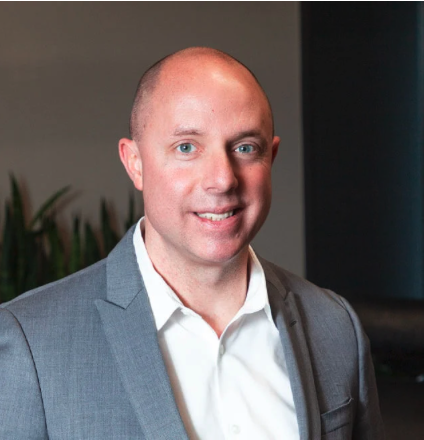
Consultant
Shad, a seasoned member of the Lushin sales team since 2014, combines his extensive global business expertise with the disciplined mindset of an Ironman triathlete. Specializing as a leading sales transformation consultant, he is known for crafting scalable strategies and processes tailored for client success. Shad's structured approach instills a sense of calm in clients, guiding them past immediate challenges and toward their goals.
Beyond his professional pursuits, Shad enjoys swimming, biking, running, and traveling. He actively contributes to his community by volunteering at his local church, mentoring individuals within and outside his organization, and supporting the Leukemia and Lymphoma Society. However, above all else, Shad values his role as a devoted husband and friend.